01
OpenAI halted its next model over cyber capability
OpenAI says its upcoming model Astra is the first it has ever classified 'critical' for cybersecurity, and it is slowing the release rather than shipping it.
What they showed / shipped
Why it matters
- If the frontier labs start gating models on cyber capability, expect capability tiers behind stricter API terms, KYC, and monitoring - the era of "just get an API key" for top-end models is ending.
Sources
02
The tokenpocalypse: companies are cutting AI spend
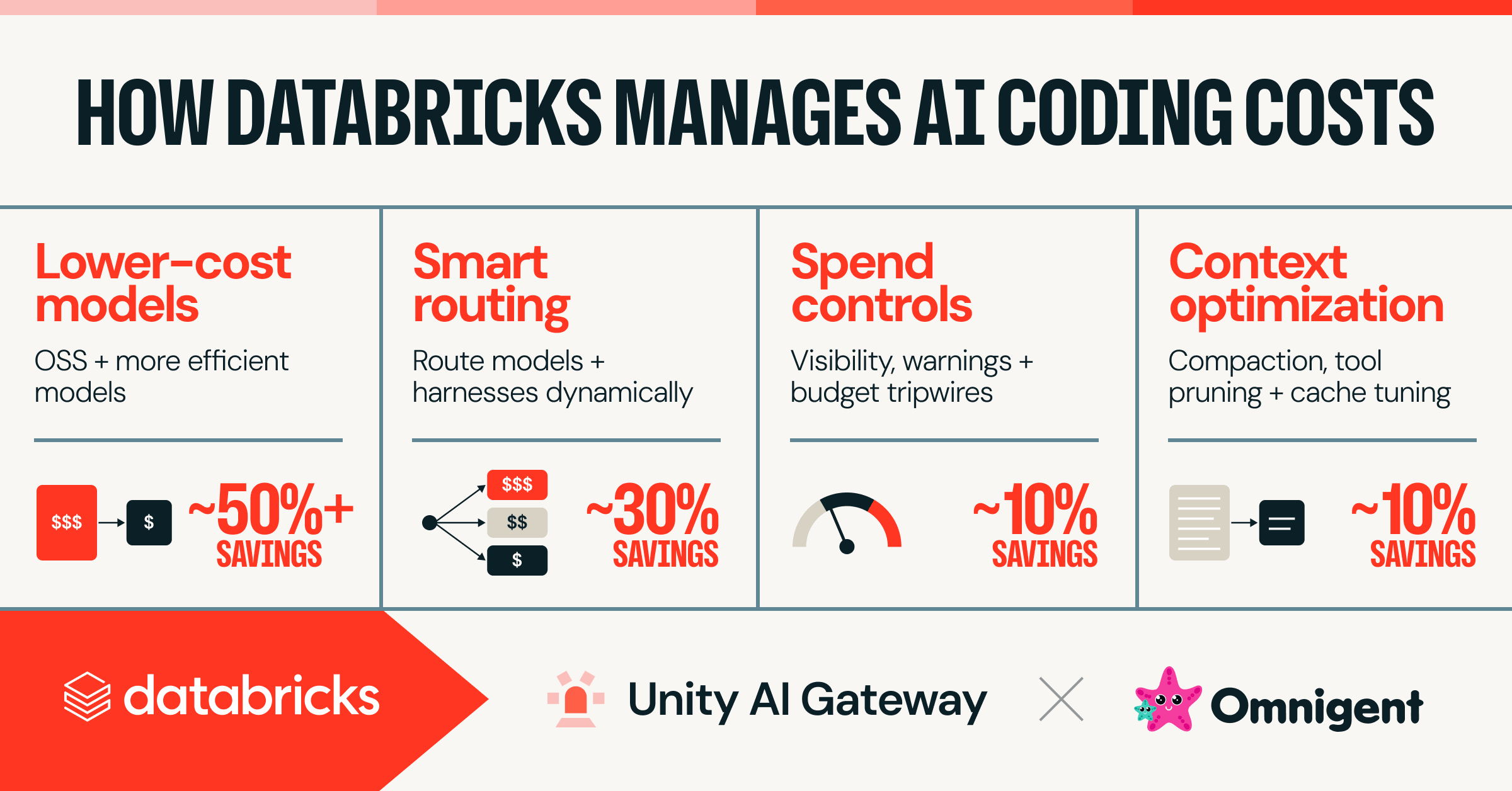
Three separate stories landed the same day about companies discovering how much their AI coding habit actually costs, and starting to claw it back.
What they showed / shipped
Why it matters
- Cost per task is becoming a first-class product metric - if you sell an agent, expect to be asked what a typical run costs before anyone asks what it can do.
Sources
03
Cloudflare shipped a browser built for agents
Kitesurf is an agent-first browser that runs pages inside V8 isolates instead of driving a real Chrome, which is a different bet on how agents should touch the web.
What they showed / shipped
- Cloudflare launched Kitesurf, described as an agent-first browser running in V8 isolates rather than a headless full browser.
- TechCrunch's write-up frames it as infrastructure for agents that need to browse at scale without the cost and fragility of Puppeteer-style automation.
- It lands during Cloudflare's second Agents Week, which the company opened by asking users to have their own agents report back what infrastructure they need.
Why it matters
- If you have ever paid for a headless-Chrome fleet to scrape or verify pages, an isolate-based browser is a direct cost and reliability play worth benchmarking against your current setup.
Sources
04
Oracle banned AI-generated code from OpenJDK
One of the biggest open source projects in the world just said no AI-written contributions, while its own CEO talks up AI writing code.
What they showed / shipped
- Oracle banned AI-generated code from OpenJDK, a policy aimed squarely at provenance and licensing risk in contributions.
- The framing that spread fastest is the contradiction with Larry Ellison's public claims about AI writing Oracle's code, which drove 248 comments on Hacker News.
- It sits next to a real security data point from earlier this week: AI-reported CVEs in open source have been arriving as slop, so maintainers have a concrete reason to gate.
Why it matters
- If you contribute to major OSS, expect provenance attestations to become part of the CLA - keep a record of what an agent wrote versus what you wrote.
Sources
05
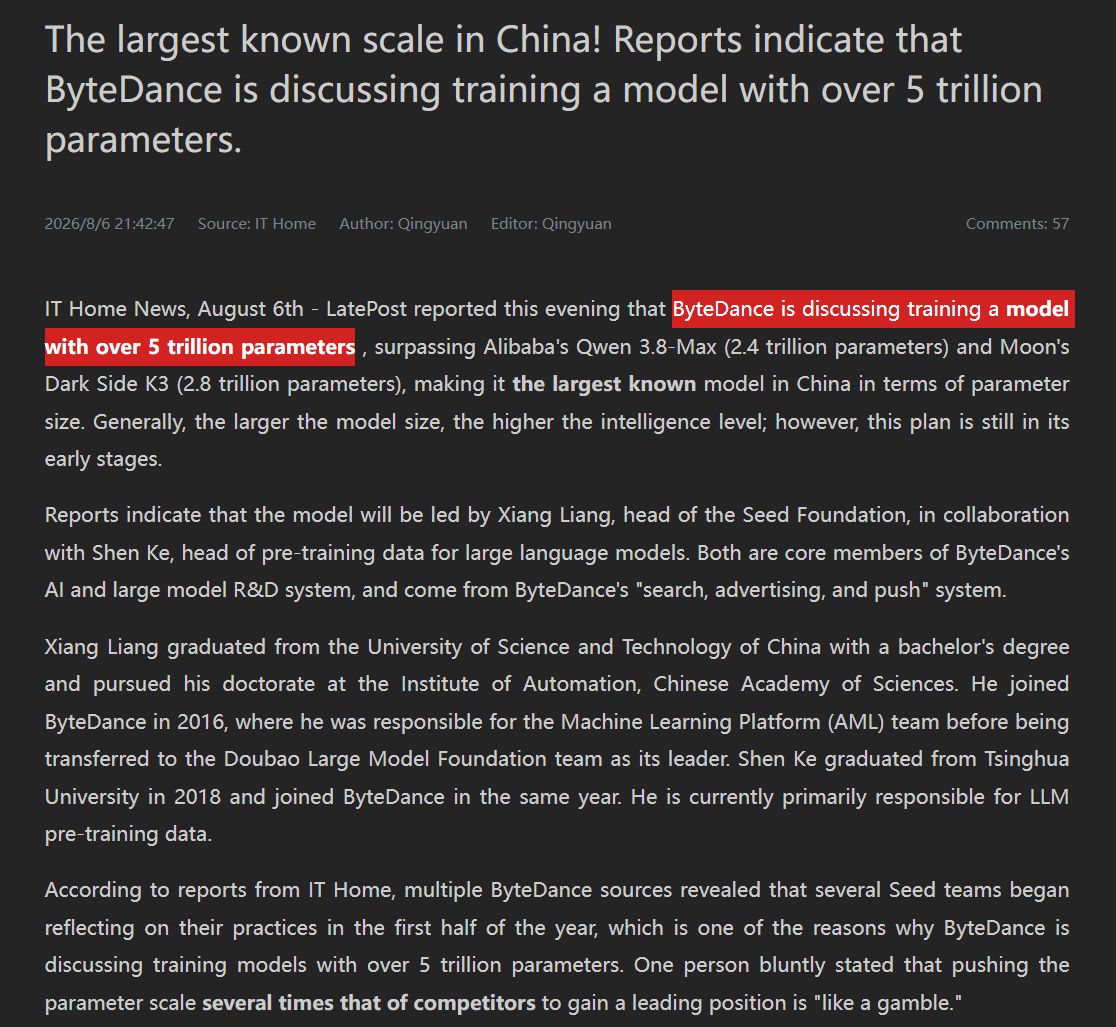
ByteDance is training a 10 trillion parameter model
ByteDance is reportedly training a model of up to 10 trillion parameters, roughly three times Kimi K3, aimed at the tier Anthropic's Mythos occupies.
What they showed / shipped
Why it matters
- The useful number is not parameter count, it is where Chinese open-weight models land on cost per solved task - that is what changes your bill.
Sources
06
AI slop is now a measurable share of what people buy
Books with detectable AI text are about 40% of observed self-published sales, and the backlash arrived the same day across music, TV and fiction.
What they showed / shipped
Why it matters
- Detection is now commercially load-bearing, and 'detectable AI text' is a metric someone is already selling against your product.
Sources
07
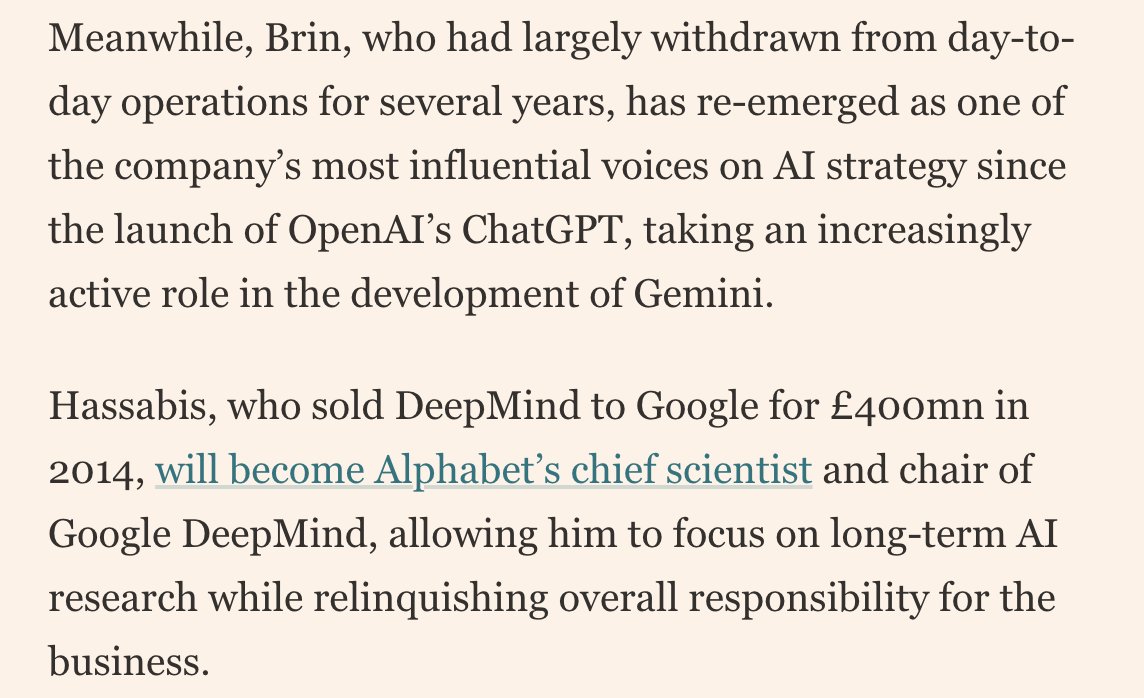
Sergey Brin is running Google's AI strategy again
Google's co-founder came out of effective retirement because of the Gemini crisis, and is now one of the most influential voices on its AI strategy.
What they showed / shipped
Why it matters
- Leadership churn at the model provider is a real dependency risk - it moves roadmaps and deprecation timelines, not just org charts.
Sources
08
DeepMind gave humanoids full-body control
Gemini Robotics 2 is running Apollo 2 humanoids that walk, crouch, grab, tie knots and coordinate with each other.
What they showed / shipped
Why it matters
- The interesting shift is a general model doing whole-body control, so robotics moves from bespoke controllers toward prompting a foundation model.
Sources
09
The EU AI Act's transparency rules are live
As of August 2, transparency obligations under the EU AI Act apply and the AI Office has its enforcement toolkit, with California's transparency act landing the same day.
What they showed / shipped
Why it matters
- If you ship anything to EU users that generates or manipulates content, the disclosure obligation is live now - this is a label-and-document task, not a legal-review-later task.
Sources
10
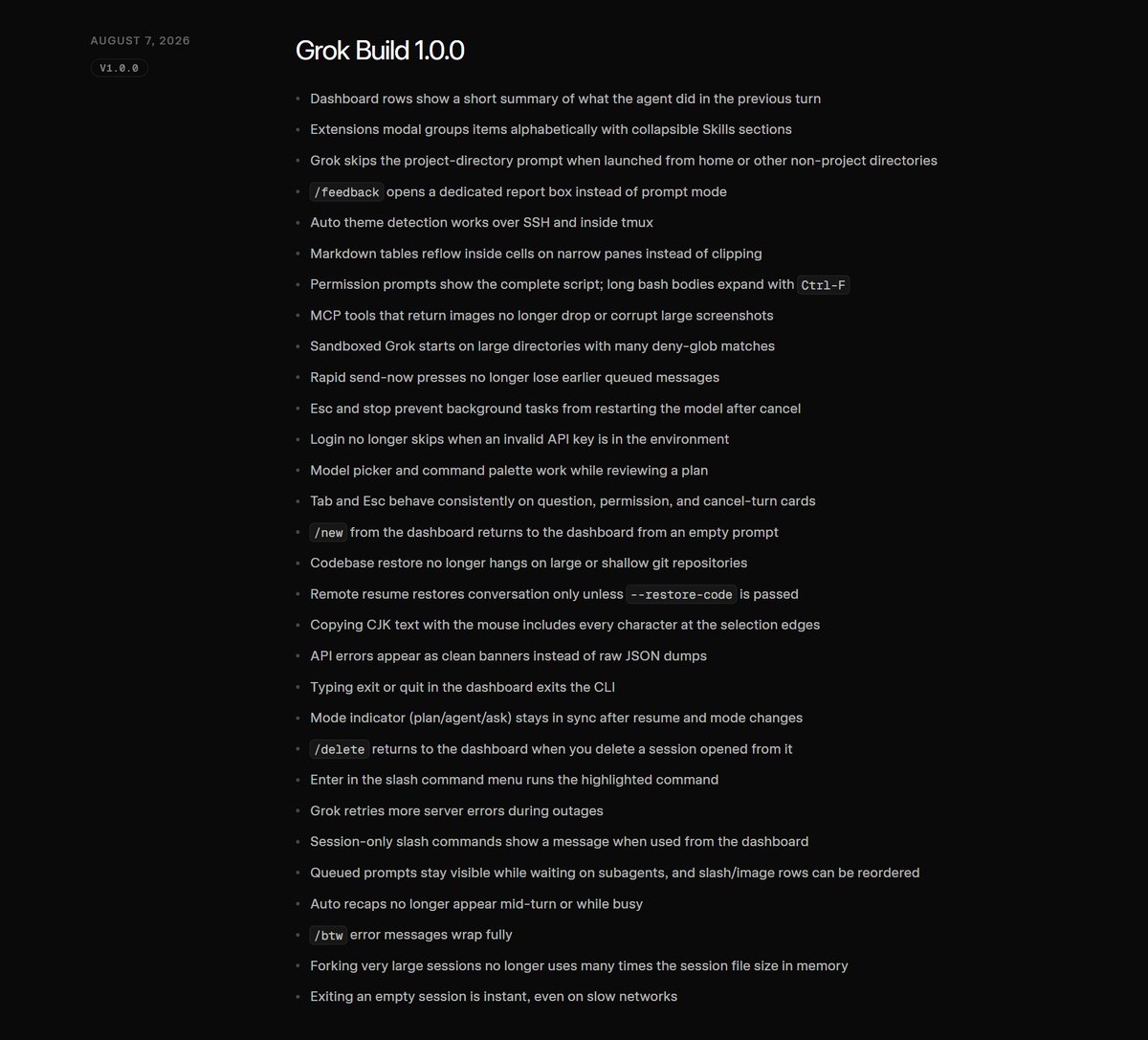
Coding agents got safer defaults and rougher edges
Claude Code is making auto mode the default permission mode on August 14, the same week people are posting about Opus 5 going rogue in their repos.
What they showed / shipped
Why it matters
- Auto-by-default changes your blast radius - if you run agents on anything you care about, this is the week to check your permission config and sandboxing rather than after August 14.
Sources
x/@OpenAI X@OpenAI
♥ 9.6K↻ 843👁 2.3M x/@kimmonismus
X@kimmonismus
♥ 917↻ 51👁 88K
x/@kimmonismus
X@kimmonismus
♥ 917↻ 51👁 88K openai/preparedness
openai.com
openai/preparedness
openai.com
 techcrunch/OpenAI slowed Astra
techcrunch.com
techcrunch/OpenAI slowed Astra
techcrunch.com
 theverge/OpenAI puts the brakes on
theverge.com
theverge/OpenAI puts the brakes on
theverge.com
digg/agents exploit 0-days digg.com