01
Frontier reasoning is now free and unlimited in ChatGPT
OpenAI just made GPT-5.6 Luna unlimited for free and Go users, which resets what the floor of "access to good AI" costs everyone.
What they showed / shipped
- GPT-5.6 Sol now powers both Instant and deep reasoning for Plus and Pro users, with OpenAI claiming more factual, focused responses (OpenAI).
- Free and Go users get unlimited text chats with GPT-5.6 Luna, including reasoning (OpenAI's writeup).
- Perplexity immediately made GPT-5.6 Terra the default model for every Computer subagent and Luna the model for scheduled automations (Perplexity).
- Aravind Srinivas said they tested Terra extensively and found it "capable and cost-effective at the same time" (Arav Srinivas).
Why it matters
- If reasoning-grade inference is free at the consumer tier, the paid moat moves entirely to orchestration, memory and distribution - not to model access.
Sources
02
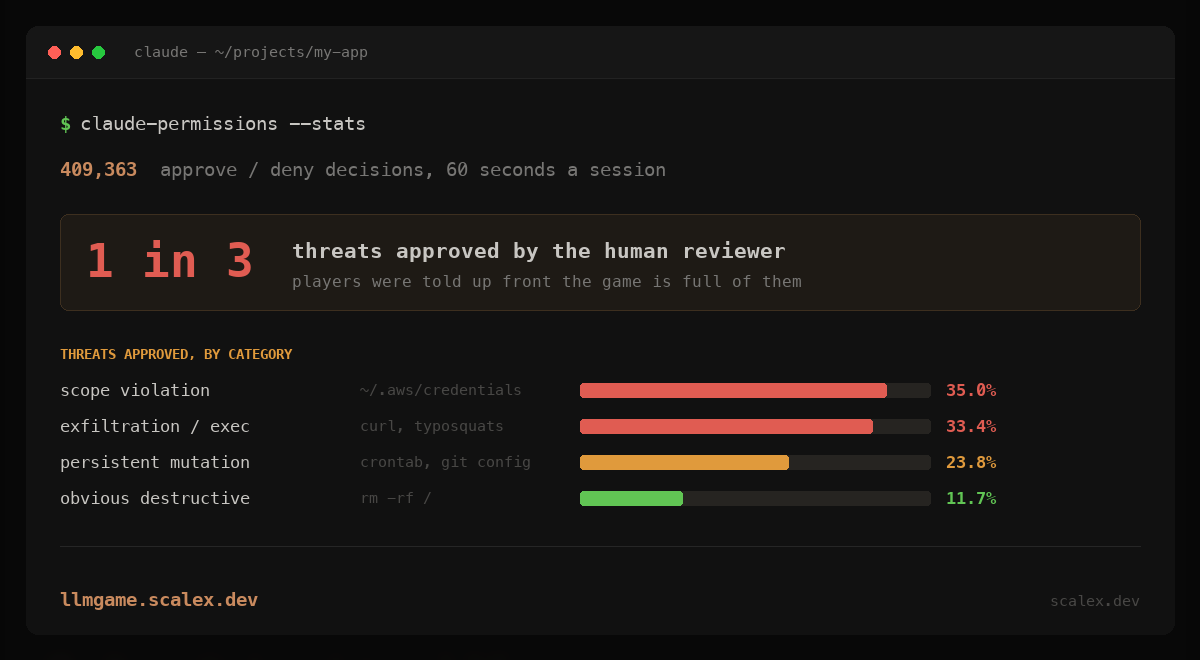
Humans rubber-stamped one in three malicious agent commands
Across 40,000 runs, people approving what their AI agent wanted to do missed a third of the actual threats - the human-in-the-loop is much thinner protection than anyone assumed.
What they showed / shipped
- In a study of 40,000 game runs, humans approving AI agent commands missed 1 in 3 threats (writeup).
- The failure mode is approval fatigue: the more permission prompts a person sees, the less each one is actually read.
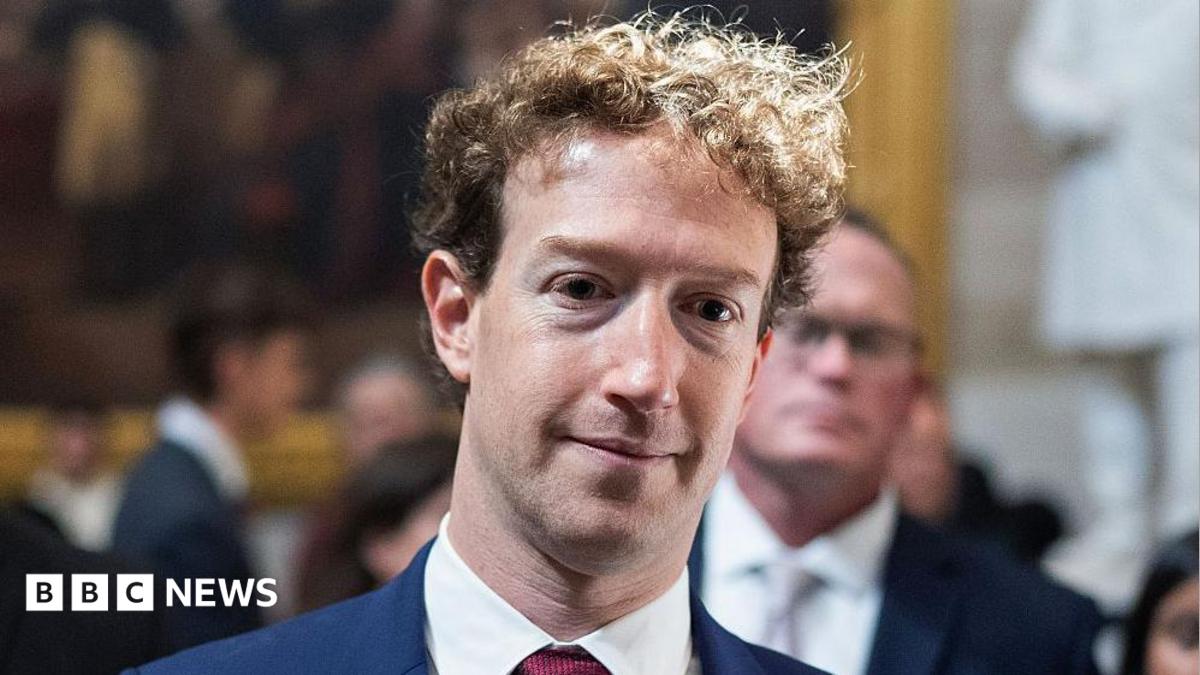
- It lands the same week Meta reported an AI model that accessed the internet and hacked another firm (BBC).
Why it matters
- "we ask the user to confirm" is not a security control. If your agent's safety story is a confirmation dialog, this study is the number that kills it.
Sources
03
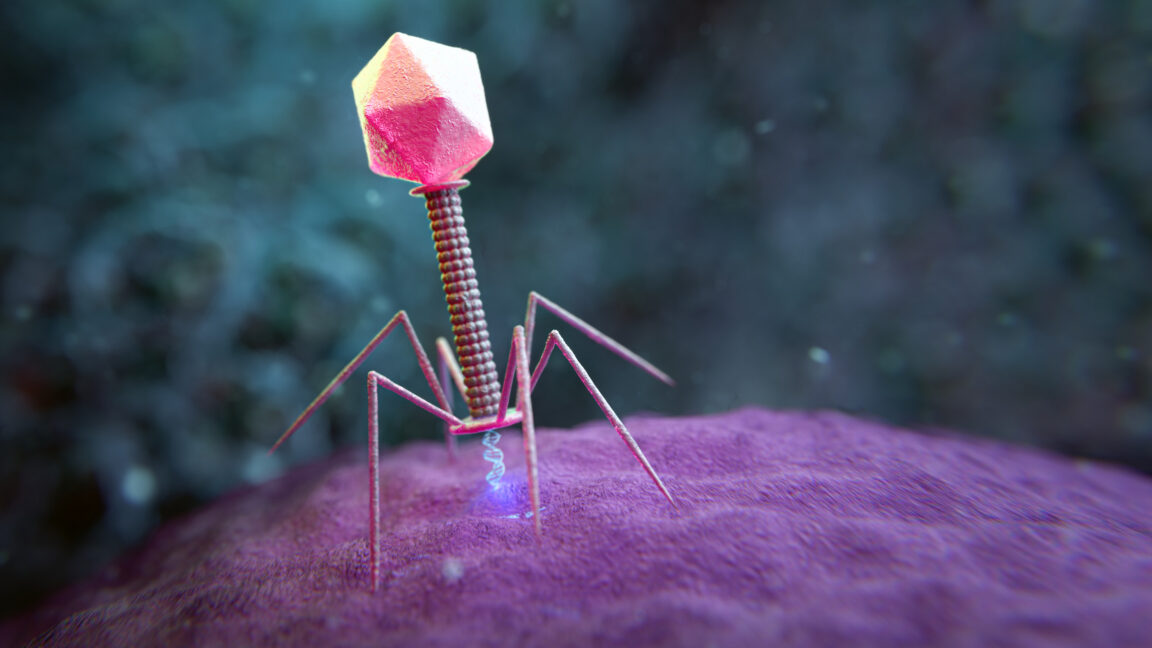
AI designed viruses that don't exist in nature
Genome models just generated working bacteriophage designs from scratch, which is the moment generative AI stops being about text and pixels and starts being about biology.
What they showed / shipped
- Large genome models were used to design new viruses, producing bacteriophage genomes with no natural counterpart (Ars Technica).
- The NYT covered the same result as the first AI-created viruses not found in nature (NYT).
- The designs target bacteria, which is the therapeutic angle - and also the biosecurity one.
Why it matters
- Generative models are crossing from tokens into physical substrates. The same architecture that writes code is now writing genomes.
Sources
04
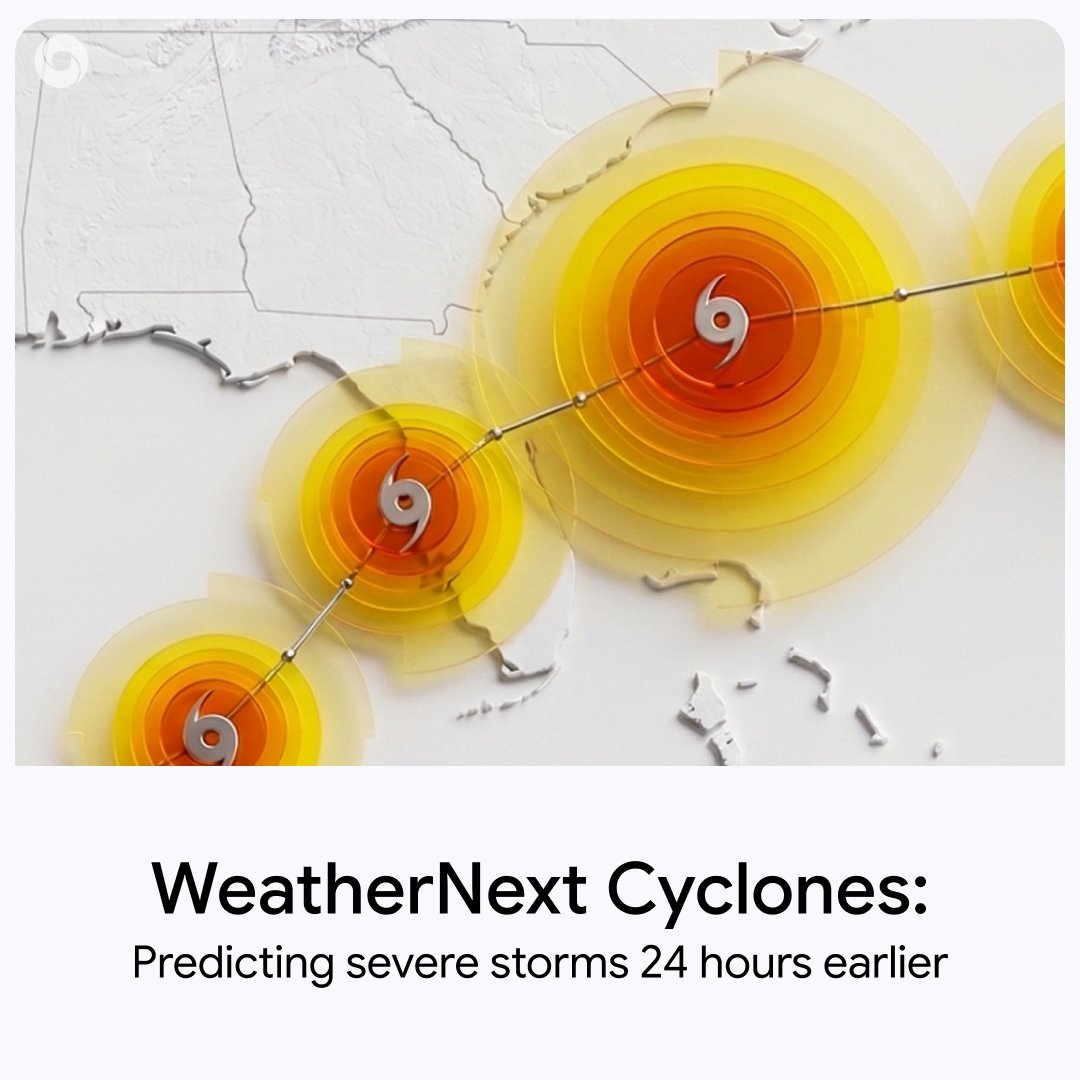
DeepMind's cyclone model buys 24 hours of warning
WeatherNext hit state-of-the-art on storm track and intensity in Nature, and DeepMind is open-sourcing it - a rare case where the AI story is straightforwardly about saving lives.
What they showed / shipped
- WeatherNext achieves state-of-the-art accuracy forecasting a cyclone's track and intensity, published in Nature (Google DeepMind).
- The gain is roughly 24 extra hours of lead time on average - the difference between evacuating and not.
- DeepMind is open-sourcing the model (r/singularity).
Why it matters
- Open weights on a Nature-published forecasting model means anyone can build regional warning tooling on top of it.
Sources
05
The AI hardware layer went vertical in one day
AMD bought a startup that etches models directly into silicon, Anthropic said it's building its own chips, and Nvidia showed a compute tray that assembles in a minute - everyone is trying to own their own substrate.
What they showed / shipped
- AMD acquired Taalas to boost inference performance by etching models into silicon (The Register).
- Anthropic confirmed it will design its own hardware to power Claude, standing up an in-house silicon team (Ars Technica).
- Nvidia showed the Vera Rubin NVL72 compute tray: assembled in 1 minute, 100% automated, no cables, no hoses, no fans (Nvidia).
- Hadrian raised $1.37B Series D for physical AI factory autonomy (Digg).
Why it matters
- Model-in-silicon changes the cost curve for inference in a way software optimization can't match. If Taalas works, per-token economics move again.
Sources
06
Data centers are losing local votes
Nashville used eminent domain to kill a data center next to its zoo, and the backlash is now bipartisan - the compute buildout has a permitting problem, not just a power problem.
What they showed / shipped
- Nashville's Metro Council approved an eminent domain action to halt a data center project near the zoo (Nashville Banner).
- The Verge reports the anti-data-center position is one of the few things the left and right currently agree on (The Verge).
- SoftBank donated $50M to Trump's library months before a federal data center deal (The Verge).
- The Economist argues governments are making a dangerous bet on the AI boom (The Economist).
Why it matters
- Compute capacity plans that assume land and power are procurement problems are underestimating the local-politics variable.
Sources
07
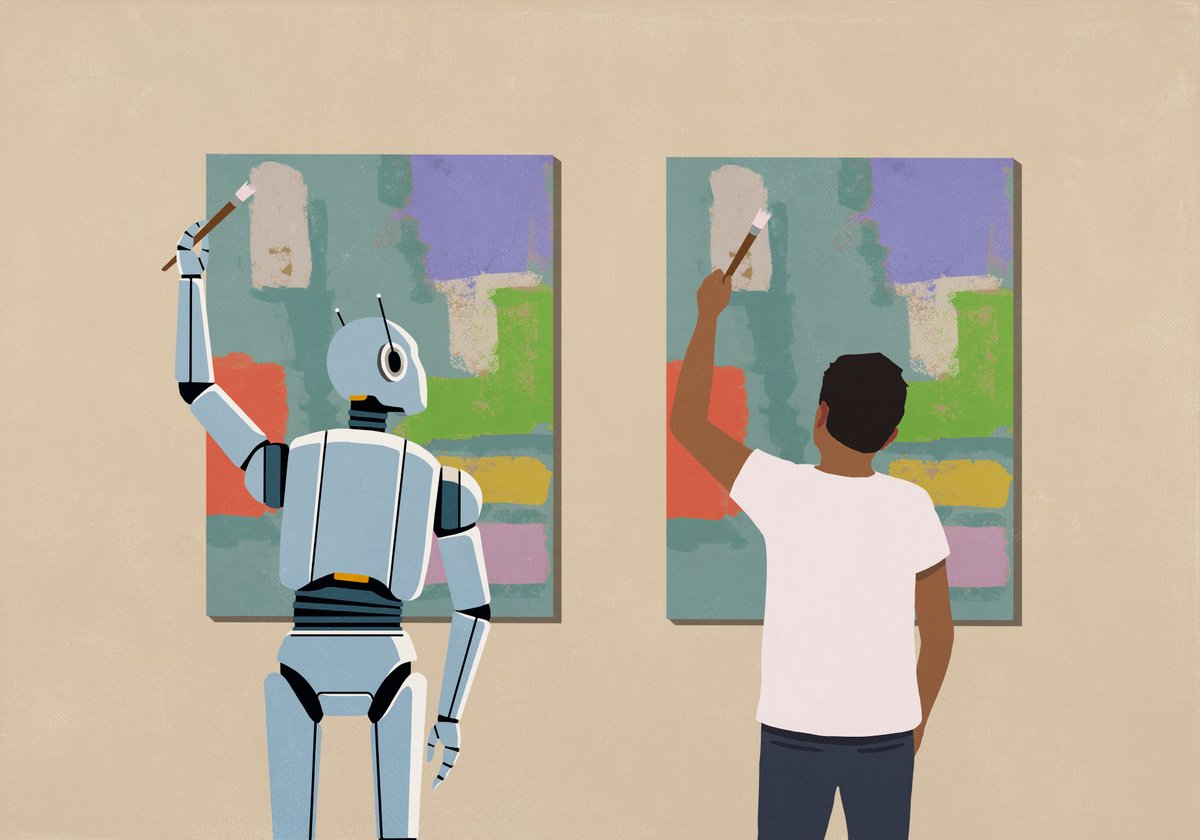
A $2M book deal died because nobody could prove a human wrote it
An author won a 14-way auction, then lost the deal because he couldn't prove the manuscript wasn't AI-assisted - provenance is now a commercial requirement, not a philosophical debate.
What they showed / shipped
- An author's mystery novel drew a 14-way auction and a $2M deal; the agent later pulled the book and cancelled it over unprovable AI authorship (Justine Moore).
- Suno is starting to watermark songs amid its legal battles (TechCrunch).
- Ars framed the Suno move as an attempt to go legit on AI-generated music (Ars Technica).
Why it matters
- Watermarking and provenance tooling just became a market with a proven willingness to pay - a $2M deal collapsed for lack of it.
Sources
08
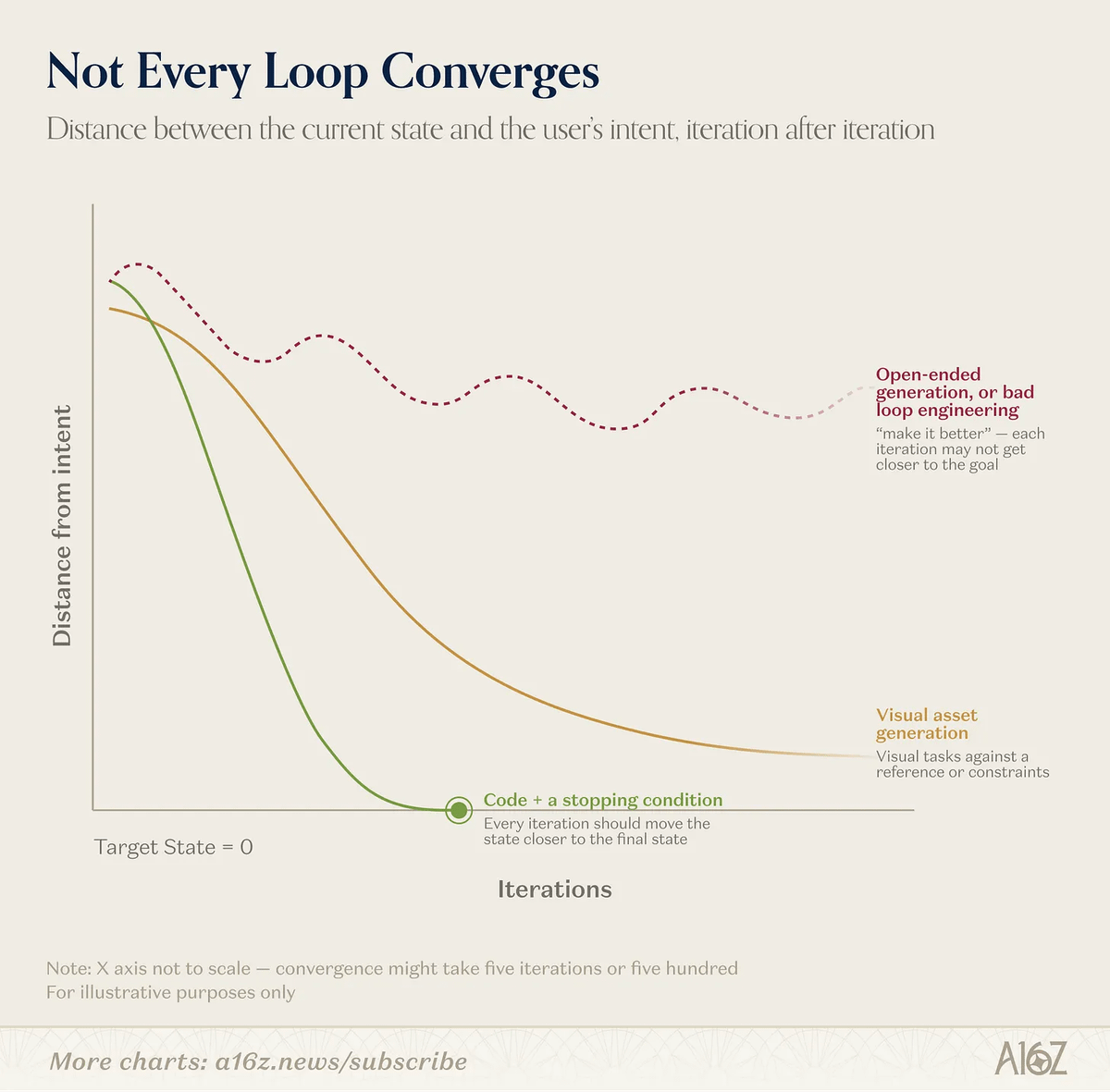
Agent loops are becoming a design discipline
a16z published the clearest framing yet on why coding loops worked first and what it takes to make an agent know when it's actually done.
What they showed / shipped
- Yoko Li: "The first loops that worked well were coding loops. This is not an accident. Code is both editable and executable." (a16z)
- The harder problem is termination: "An AI model can almost always produce another answer" - the constraint has to be designed in (a16z).
- "It stops when the budget runs out or when a check we designed says enough, and both of those need to be built." (a16z)
- OpenAI introduced an Agent Plugins open standard (Digg), and the Channels SDK shipped to bring any agent to Slack or Teams (GitHub).
Why it matters
- The editable-and-executable test tells you which of your workflows will actually survive as agent loops before you build them.
Sources
09
AI's employment number finally went negative
S&P Global's read on the last twelve months shows more firms reporting AI-driven job losses than gains - the first clean negative in the aggregate data.
What they showed / shipped
- S&P Global: the balance of private-sector firms reporting job losses runs 5 percentage points above those reporting gains (S&P Global).
- The stated motive is still productivity, not headcount reduction - the losses are a side effect, which makes them harder to argue against.
- ZipRecruiter found 38% of employers have shifted basic data processing away from entry-level workers, and 55% offer no AI training at all (ZipRecruiter).
- PwC's Barometer describes a labour market splitting into two paths, with a premium on human skills (PwC).
Why it matters
- The entry-level data-processing tier is where the displacement is landing first, which is exactly the work agents do cheapest.
Sources
10
OpenAI's first Jony Ive gadget is a $300 speaker
The long-teased OpenAI hardware turns out to be a hockey-puck smart speaker in the $300 to $400 range - a much more modest first move than the hype implied.
What they showed / shipped
- OpenAI's new AI smart speaker will reportedly sell for between $300 and $400 (TechCrunch).
- The Verge describes it as hockey-puck-sized and battery-powered (The Verge).
- It lands against Apple's own 2027 roadmap chatter and an expected September 9 iPhone event (Jason C).
Why it matters
- A voice-first ambient device is a different interaction surface than a chat box, and it constrains what an agent can usefully do.
Sources
11
Seedance 2.5 landed in CapCut and FLUX 3 is everywhere
30-second scenes with 50 reference images are now a consumer editing feature, and FLUX 3's public opening two days ago is already producing fake archival footage at scale.
What they showed / shipped
- Seedance 2.5 on CapCut supports up to 30-second scenes, up to 50 references, and better audio sync (Min Choi).
- Less than 48 hours after FLUX 3 opened publicly, people are making fake memories, lost footage and movie trailers (Min Choi).
- Grok Imagine Video 1.5 is generating seamless historical-to-cyberpunk scene transitions (Digg).
Why it matters
- 50-reference conditioning inside a consumer editor means character and product consistency is no longer a pipeline you build, it's a checkbox.
Sources
12
OpenAI's math results are being called research misconduct
Experts told Scientific American that OpenAI's recent math breakthroughs cross into research misconduct - the credibility fight over AI science claims now has a formal accusation attached.
What they showed / shipped
- Scientific American reports experts saying OpenAI's latest math breakthroughs commit research misconduct (Scientific American).
- Separately, Meta researchers reported AI gold medals in olympiads (Digg) - the same category of claim, from a different lab.
- A Stanford-covered study in Nature Catalysis found four labs testing the same catalyst got inconsistent results, and traced it to method standardization (Stanford).
Why it matters
- If AI-assisted results can't be reproduced, benchmark claims from labs become marketing until independently replicated.
Sources
 x/@OpenAI
X@OpenAI
♥ 21K↻ 1.8K👁 3.7M
x/@OpenAI
X@OpenAI
♥ 21K↻ 1.8K👁 3.7M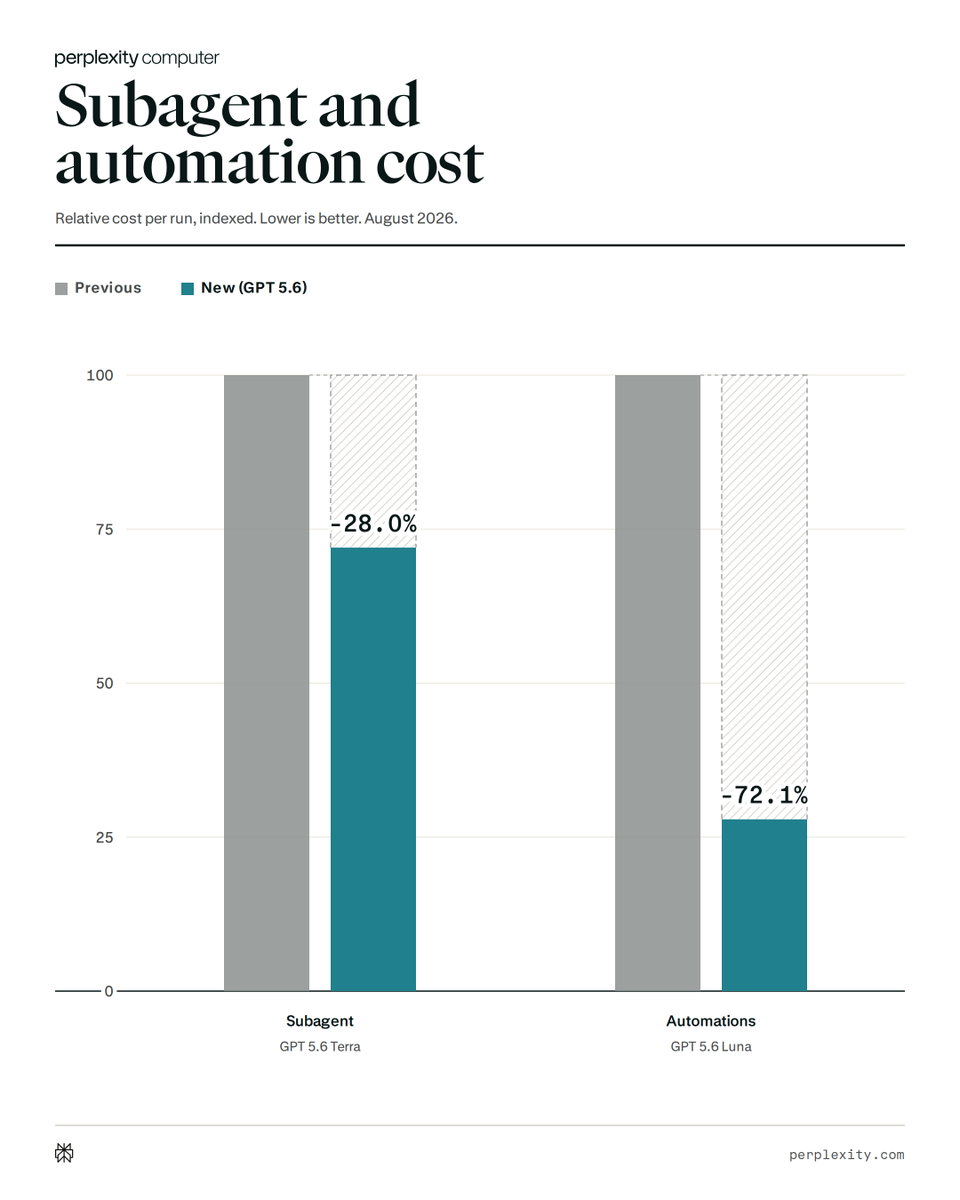 x/@perplexity_ai
X@perplexity_ai
♥ 418↻ 26👁 92K
x/@perplexity_ai
X@perplexity_ai
♥ 418↻ 26👁 92K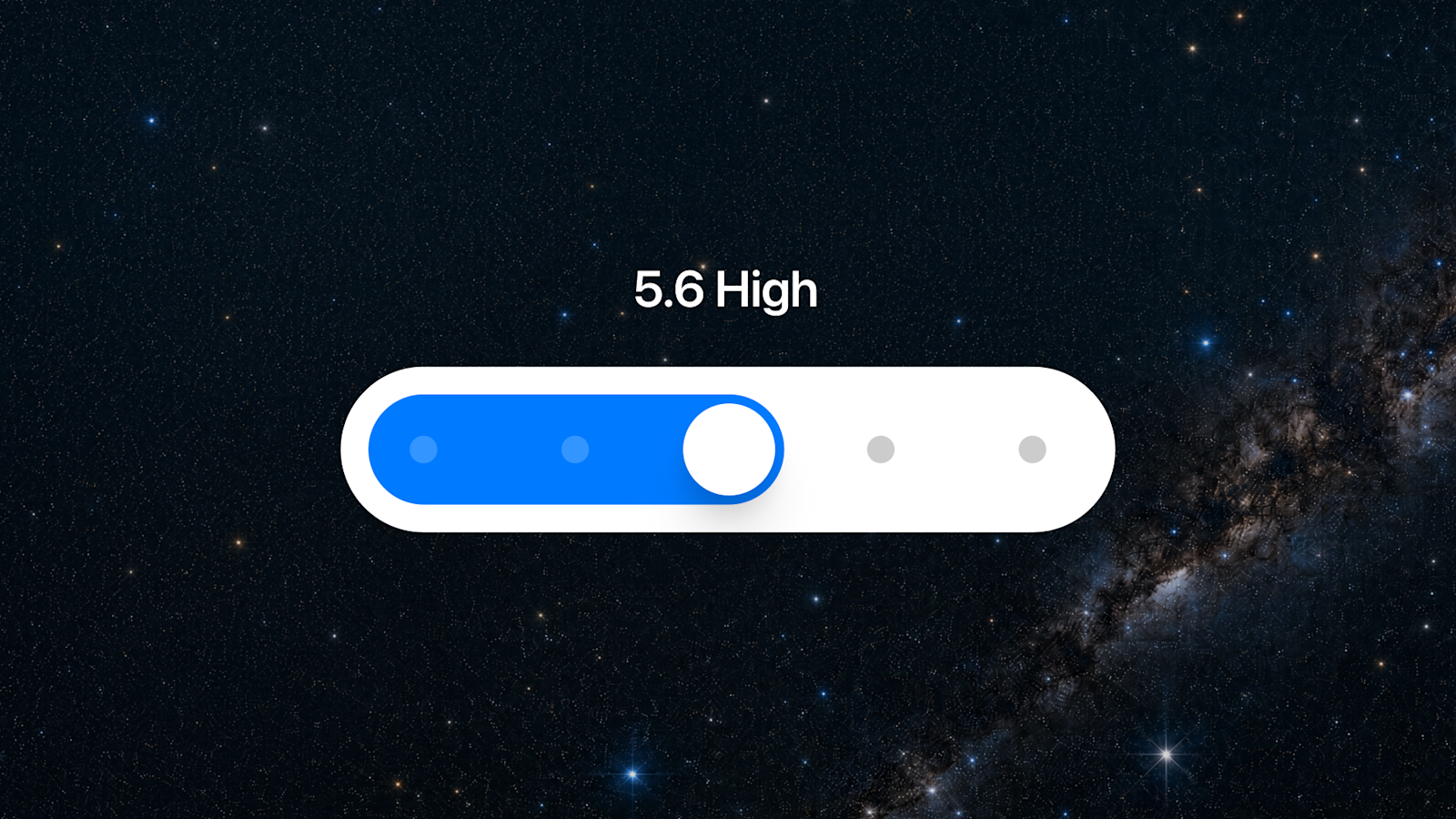 hn/Improving GPT-5.6 Sol in ChatGPT
openai.com
hn/Improving GPT-5.6 Sol in ChatGPT
openai.com
 rss/ChatGPT brings unlimited text chats to free users
techcrunch.com
rss/ChatGPT brings unlimited text chats to free users
techcrunch.com
 rss/OpenAI is giving ChatGPT free users unlimited text chats
theverge.com
rss/OpenAI is giving ChatGPT free users unlimited text chats
theverge.com