10:30 PM
Today in brief.
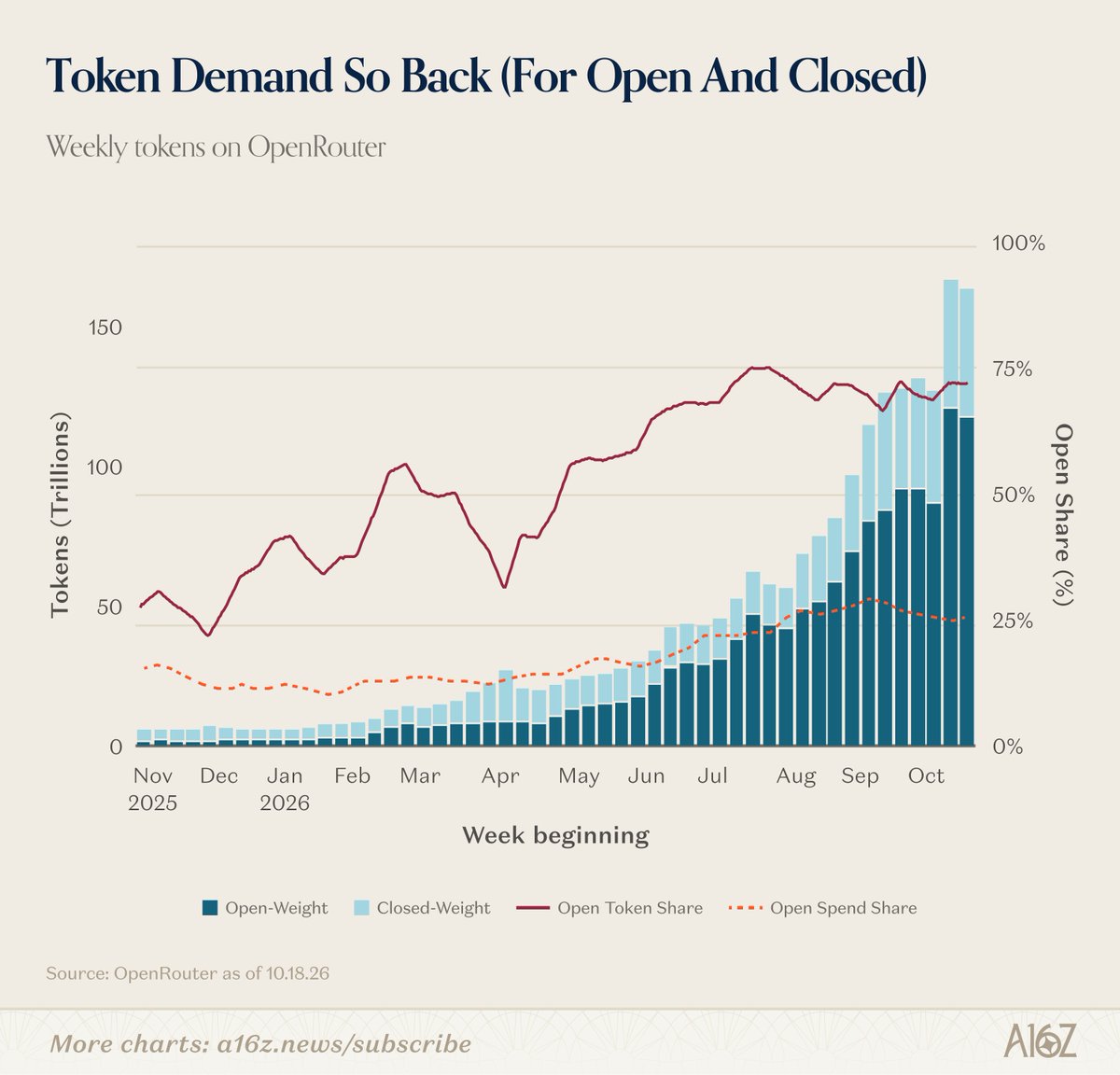
Open models now carry 72% of OpenRouter tokens
a16z's charts show token demand on OpenRouter up about 27x in a year, from roughly 6T to 165T tokens a week, with open-weight models now handling about 72% of it versus 28% last November.
1 source 🔧 Tech
Try today: anti-slop UI, open agent security, a browser rhythm game
Perplexity put the open-source /impeccable design skill inside Computer with 5,000 free credits, Argus is an MIT-licensed security platform for agentic attacks, and someone built a rhythm game where four small neural nets listen to your song in the browser.
 🔬 Science
The AI buildout's bottleneck is electrical gear
a16z charts US factory capacity since 2019: chips up 77%, comms gear up 110%, but electrical equipment down 9% with prices up 69%, as Google is reported to have illegally cleared 250K trees for a Finnish data center.
 🎬 Media
Kling 4 one-shots character swaps and real estate ads
Kling 4 is landing near-perfect multi-character video swaps and consistent one-shot real estate videos from reference images, faster and cheaper than Seedance 2.5, while Run Lola Run director Tom Tykwer uses Seedance 2.5 to turn a real stage play into one continuous AI-transformed shot.
Your old Nvidia card just got faster for local AI
A new open-source tool unlocks the pro-grade FP16/BF16 instruction rate on RTX 3000 cards, users report RTX 40 gains and up to 2x prefill, and a quantized Qwen-Flash-Next coder runs 262K context at 70 tokens a second on an 8GB GPU.
 💼 Business
Outside tech, AI still isn't paying off
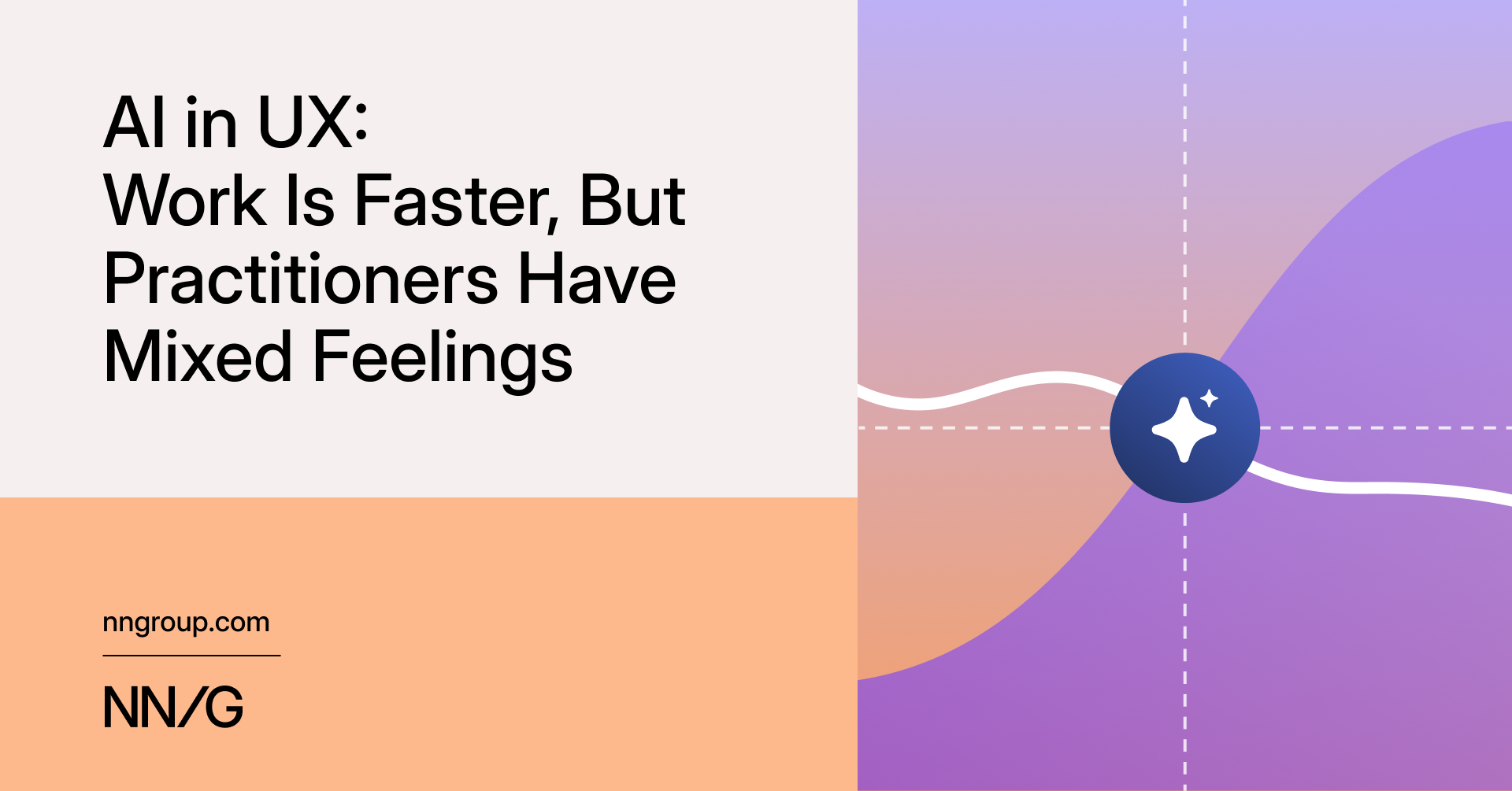
Apollo's chief economist says mainstream corporate America sees no profit or productivity lift and now treats tokens as a cost center, while a 521-person UX survey finds work faster but feelings lukewarm and US creative industries have lost 200k+ jobs in four years.
 🔬 Science
Why AI writing is hard to read, now measured
A new paper finds all nine frontier and near-frontier models lean on the sentence features that make text harder for humans to process, as Terence Tao launches a hub to fix OpenAI's math write-ups and an AI-assisted paper cites an article that does not exist.

 🏛️ Policy
Ask the API who to vote for and it picks a side
A Cornell-led study forced Grok 4.7 and GPT-6.1 Sol to name a candidate across nearly 500 midterm races: Grok picked the Republican 92% of the time, GPT picked the Democrat 97%, and they agreed under 10%, while Pennsylvania moves to label AI-generated ads.
 🔬 Science
A brain implant chip reads how regions talk
EPFL built a roughly 4x2 mm implantable chip that tracks communication between brain regions and identifies cognitive and emotional states in real time, a step toward closed-loop stimulation for depression, PTSD and OCD.
Claude Code caught adding user emails to outbound requests
A viral report says Claude Code was attaching users' email addresses to outbound HTTP requests, a reminder to watch what your coding agent sends over the wire.
No stories in this category for this edition.