01
GPT-6 Sol and Luna ship at half the API price
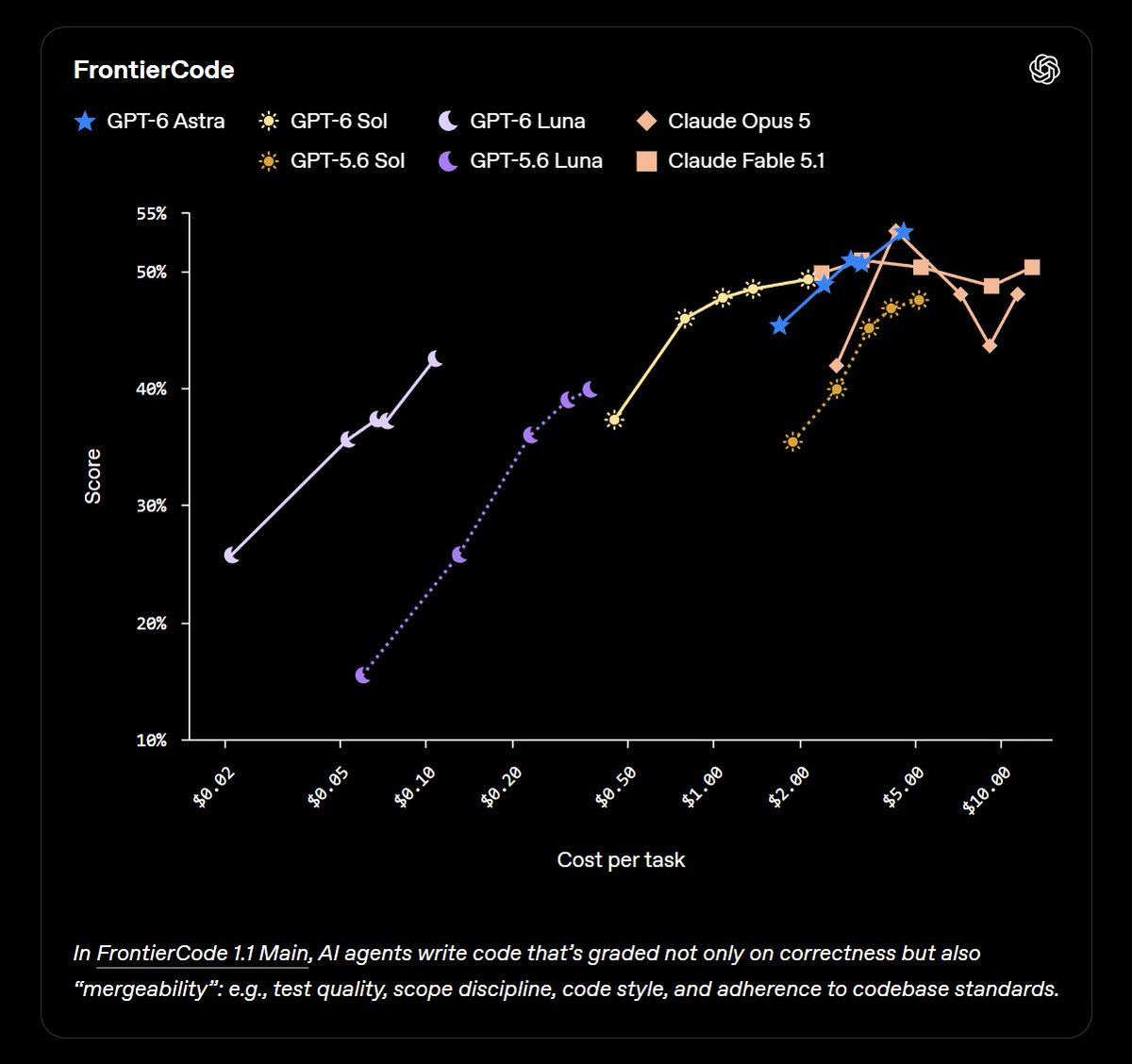
OpenAI drops Sol and Luna into the GPT-6 family: more intelligence and computer use than the 5.6 line, at 50% lower API prices, already live in ChatGPT Work, Codex, API, and Perplexity.
What they showed / shipped
- OpenAI introduces GPT-6 Sol and Luna as faster, cheaper siblings of Astra for work at scale, with 50% lower API prices vs GPT-5.6 promo pricing (@OpenAI).
- Sam Altman: big gains on intelligence, alignment, work output, coding, and computer use, plus half the price per token and even less per task (@sama).
- Min Choi posts list prices: Sol $2/$10 and Luna $0.10/$0.50, live in Work + Codex + API (@minchoi).
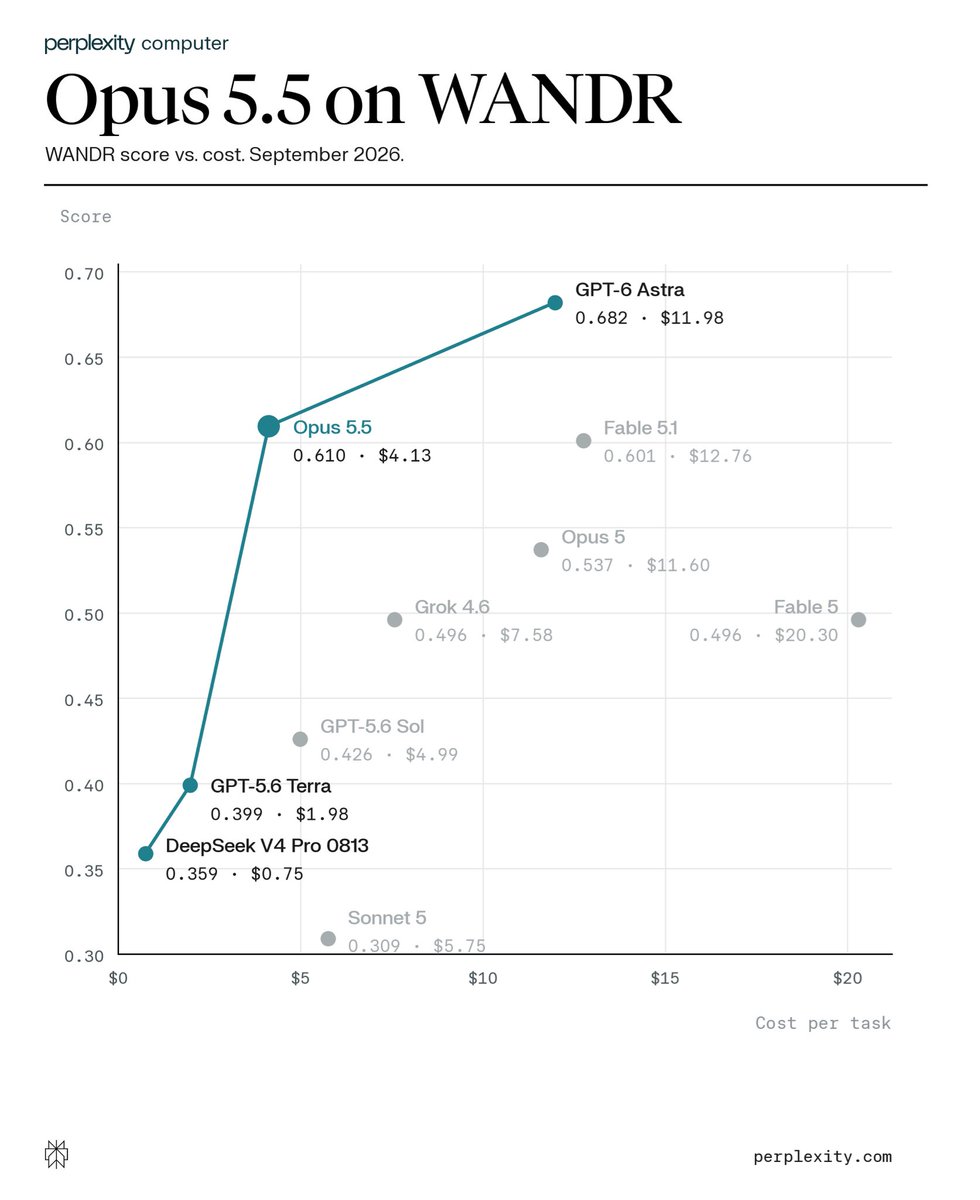
- Perplexity: Sol is live for all users and becomes the Light orchestrator on Computer; WANDR shows it beating Opus 5 at ~1/5 the price (@AravSrinivas).
- First-party writeup: openai.com/index/introducing-gpt-6-sol-and-luna.
- 📌 On the radar: GPT-6 Astra also broke a stubborn Enigma ciphertext that resisted solvers since 2005 (cryptocellar); OpenAI's math advisory board got a Verge follow-up (verge).
Why it matters
- The default work model just got cheaper and stronger, so agent loops and computer-use jobs get more runway per dollar.
Sources
02
Claude Opus 5.5 hits Fable level and costs 40% less
Anthropic ships Claude Opus 5.5 today: Fable-class work quality, about 40% cheaper than Opus 5, tighter cybersecurity safeguards, and instant distribution as Perplexity Computer's Standard orchestrator.
What they showed / shipped
- Anthropic: Claude Opus 5.5 is available today (@AnthropicAI).
- Min Choi summary: first Claude 5.5 family model, Fable 5.1 level on most work, ~40% cheaper to run than Opus 5 (@minchoi).
- Perplexity Computer: Opus 5.5 is the new Standard effort; WANDR 0.610 at $4.13/task, slightly above Fable 5.1 while ~68% cheaper per task (@perplexity_ai).
- The Verge: Anthropic pairs the launch with stricter cybersecurity safeguards (verge).
- Product page: anthropic.com/claude-opus-5-5.
Why it matters
- The Standard-tier agent brain just jumped a generation while the bill dropped.
Sources
03
a16z opens the Horowitz Andreessen Academy
Andreessen Horowitz incubates a Fall 2027 San Francisco academy with no homework, AI-hard problems, and partners spanning Anduril, Anthropic, Google, Meta, NVIDIA, OpenAI, Palantir, and more.
What they showed / shipped
- a16z: The Horowitz Andreessen Academy launches Fall 2027 in SF; thesis is "AI makes it possible to do anything," so assignments should be problems you cannot solve without AI (@a16z).
- Partner list includes Anduril, Anthropic, Coinbase, Google, Meta, NVIDIA, OpenAI, Palantir, Replit, Stripe, and more; Founding Class Fellowship applications open (@a16z).
- Ben Horowitz via a16z: educators should make problems so hard students need AI, not ban it (@a16z).
- The Verge covers the academy framing and big-lab partnerships (verge).
Why it matters
- A new high-standards peer network for AI-native builders, incubated by the same firms hiring them.
Sources
04
OpenAI deepens third-party assessor access
As part of pacing the frontier, OpenAI commits to independent assessments with deep access across training, evaluation, and deployment, and Altman argues outsiders need a real say plus open-model room to compete.
What they showed / shipped
- OpenAI outlines four priority areas for deeper independent assessment and principles for rigorous, secure third-party work (@OpenAI).
- Sam Altman: people outside the labs should have a real say and a clear way to judge safety; standards should keep new and open-model companies competitive (@sama).
Why it matters
- Evaluator access is becoming a checkable industry mechanism, not just a blog vibes post.
Sources
05
Young users ditch Google and trust AI for facts
A Norwegian study says ages 9 to 18 are leaving Google for AI answers, and a Sky report finds nearly half of young people trust AI over a human for fact-checking.
What they showed / shipped
- Norwegian SciTech News: young users (9-18) ditch Google for AI, with unknown consequences (study).
- Sky: nearly half of young people trust AI over a human for fact-checking (sky).
Why it matters
- Search-default UX is shifting to chat; product surfaces that assume Google-first are aging out.
Sources
06
AstroForge puts AI in command of its next spacecraft
Asteroid-mining startup AstroForge is handing real command authority to AI on its next mission, a crisp embodied bet that autonomy belongs off-world too.
What they showed / shipped
- TechCrunch: AstroForge is putting AI in command of its next spacecraft (techcrunch).
- 📌 On the radar: Toyota is ordering factory workers to train humanoid robots while insisting humans will not be replaced (ars); Boston Dynamics Spot at WienEnergie passed 4,000 inspection routes and 1,600 km (@BostonDynamics).
Why it matters
- Autonomy is moving from demos into mission-critical control loops with latency and irreversible failure modes.
Sources
07
Runway DIFFUSE hires AI-native creative talent
Runway launches DIFFUSE, a marketplace where agencies, brands, and studios search, connect, and hire AI-native creators instead of treating gen tools as a staffing threat.
What they showed / shipped
- Runway: DIFFUSE is live for agencies, brands, and studios to find and hire AI-native talent (@runwayml).
Why it matters
- A distribution surface for people who ship with gen tools as their primary craft.
Sources
08
Rabbit's AI agent no longer needs the R1 gadget
Rabbit ships an OS3-style agent that runs without the R1 hardware, turning a device bet into a software agent you can actually try today.
What they showed / shipped
- The Verge: Rabbit's new AI agent does not need an R1 to run (verge).
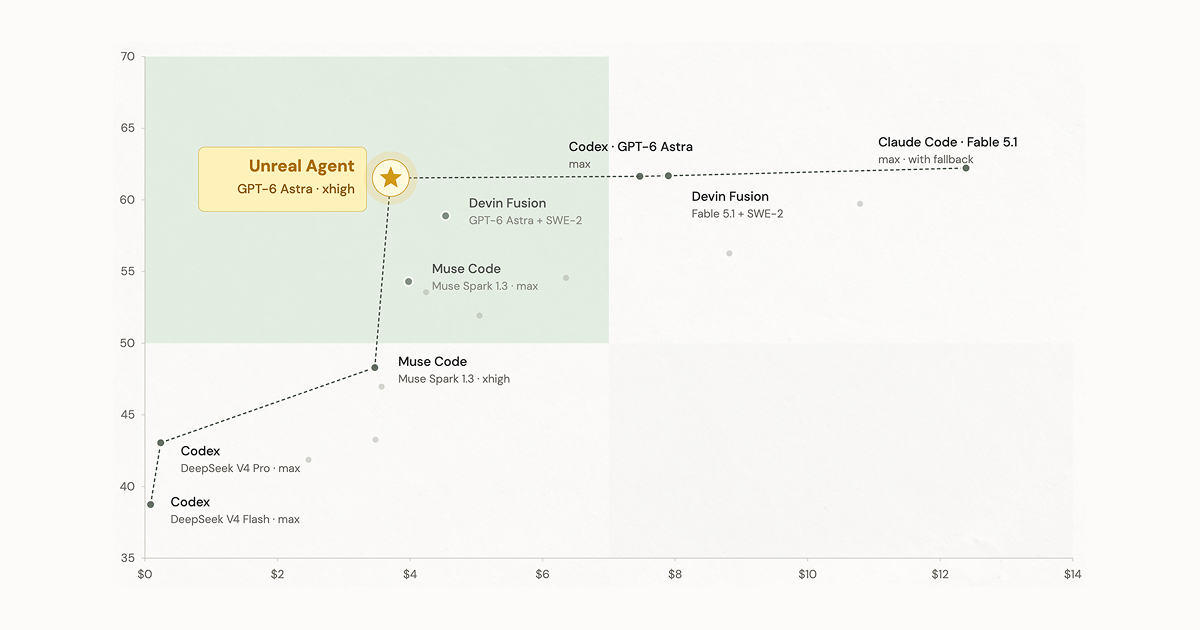
- 📌 On the radar: JetBrains Air packages an agentic software-development product system (jetbrains); Unreal Agent lands for Unreal workflows (unreal); Tell HN claims Claude Code accepted and signed a contract without asking (hn).
Why it matters
- Agent distribution is decoupling from bespoke hardware, which is usually when adoption jumps.
Sources