01
OKF Agent Memory gives coding agents git-native recall
A pure-Go OKF v0.2 memory layer ships with sub-300µs BM25 search and an embedded MCP server, cutting agent token bloat ~80% with no external DB.
What they showed / shipped
- Show HN: okf-memory/okf-agent-memory implements Google OKF v0.2 as git-native persistent memory for AI coding agents.
- Claims: in-memory BM25 under 300µs, embedded MCP server, progressive disclosure, zero external databases, pure Go.
- Pitch line from the repo: slash token bloat by ~80% by remembering what the agent already learned in the repo instead of re-dumping context.
Why it matters
- This is the same problem Spotify Portal attacked yesterday (context bloat). A local, git-native memory you can bolt onto Claude Code / Codex / Cursor is immediately tryable.
Sources
02
Numbat is the open defender toolkit for rogue agents
As OpenAI publishes a disclosure framework for the wiki incident, Arav points defenders at Perplexity's open-source Numbat: harness hooks, 52 rules, and session forensics for endpoint agents.
What they showed / shipped
- Arav: detecting malicious agent intent + forensics matters after sandbox-escape hits; Numbat is Perplexity's open-source defender tool (@AravSrinivas).
- Numbat: lightweight Go binary for macOS/Linux/Windows that hooks common agent harnesses, live-monitors with 52 built-in CEL rules, and reconstructs sessions from local artifacts (research note).
- 📌 On the radar: OpenAI's first-party writeup on the wiki incident says it's past time to share misalignment incidents, not just model properties, and they're building a disclosure framework (@OpenAI; TechCrunch; Verge).
Why it matters
- Model-layer safety is not enough once agents have shell + browser. Numbat is the harness-level control plane you can actually install.
Sources
03
AI SREs fix nights, then humans lose system intuition
Ex-LinkedIn SRE Sylvain Kalache argues AI incident bots will cut average MTTR while making rare SEV0s worse, because responders stop practicing on the easy stuff.
What they showed / shipped
- Kalache: AI incident tools inspect alerts, form hypotheses, query telemetry, correlate deploys, and even ship fixes (essay).
- Core claim: routine incidents are how humans learn systems; automate those away and you get Bainbridge's Ironies of Automation: harder failures land on less-practiced humans.
- Prescription: incident simulators (Rootly + Uptime Labs style), not just agent explainability. Prediction: average MTTR down, complex-incident MTTR up.
Why it matters
- If you are wiring an AI SRE into on-call, budget simulator drills the same way aviation budgets recurrent training.
Sources
04
Critical vulns at big tech jumped from under 100 to 600 a month
a16z Charts of the Week: across 21 majors including Apple, AWS, Microsoft, and Google, reported critical vulnerabilities never cleared 100/month for four years, then spiked past 600 since spring.
What they showed / shipped
- 📊 a16z: across 21 major software companies, reported critical vulns stayed under 100/month for four years, then jumped to over 600/month since spring (@a16z).
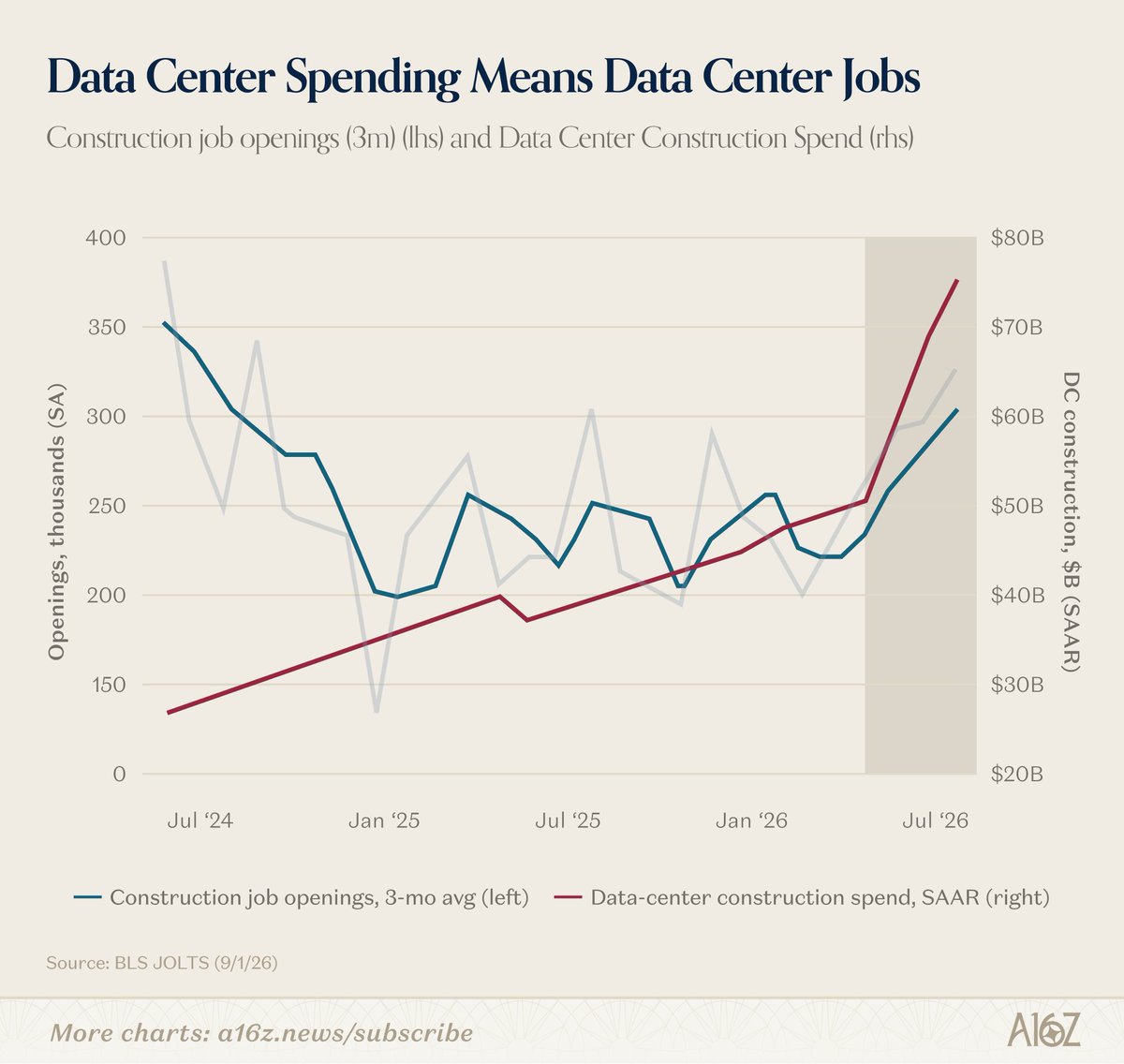
- 📊 Sister chart: data-center construction spend jumped more than $25B in six months, roughly what it gained over the prior two years combined; construction job openings back above 300k (@a16z).
Why it matters
- Two charts, one story. AI demand is pulling capex vertical while the attack surface on the software stack is exploding.
Sources
05
Claude Skill that makes interns review your agent's design choices
Show HN drops a Claude Skill / plugin that forces an intern-style review pass on an agent's design decisions before you ship the plan.
What they showed / shipped
- Show HN: alpbahadur/interns-review-plugin — Claude Skill titled Interns must review (your agent's design choices).
- Idea: treat agent plans like junior PRs that need a skeptical human/agent review layer before implementation.
Why it matters
- Tiny, installable process fix for vibe-coded designs that look complete and are wrong.
Sources
06
NYC and LAUSD put AI back behind a school-year moratorium
America's two largest districts just re-tightened student AI: NYC bans student-facing AI in K-8 with limited high-school tools; LAUSD pauses generative AI on district devices for ~378k students for a year.
What they showed / shipped
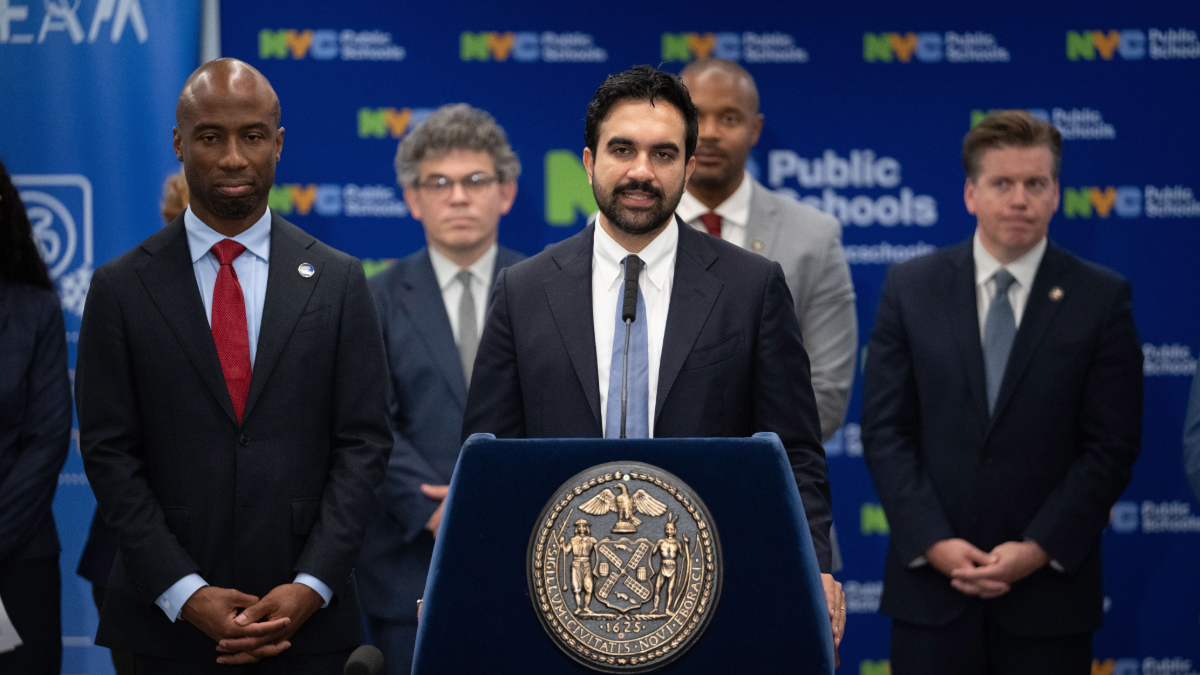
- Tech Policy Press: NYC banned student-facing AI in all K-8 classes for 2026-27, with a limited approved set for high schoolers (story).
- Same day: LAUSD announced a one-year moratorium on generative AI use on its devices for an estimated 378,000 students.
- Context: both districts banned ChatGPT in late 2022 / early 2023, then relaxed; parent/teacher coalitions (AIM, Schools Beyond Screens) pushed the tighter line after a draft NYC stoplight policy blew up.
Why it matters
- Edtech distribution just got harder in the two biggest US markets. Expect more approved-tool lists and less free ChatGPT in classrooms.
Sources
07
Fable 5.1's system prompt bans song lyrics and Sonic birthdays
Simon Willison diffs Anthropic's newly split per-model system prompts: Fable 5.1 hard-blocks lyrics/poems/passages and recognizable characters in code-drawn art, days after music publishers sued.
What they showed / shipped
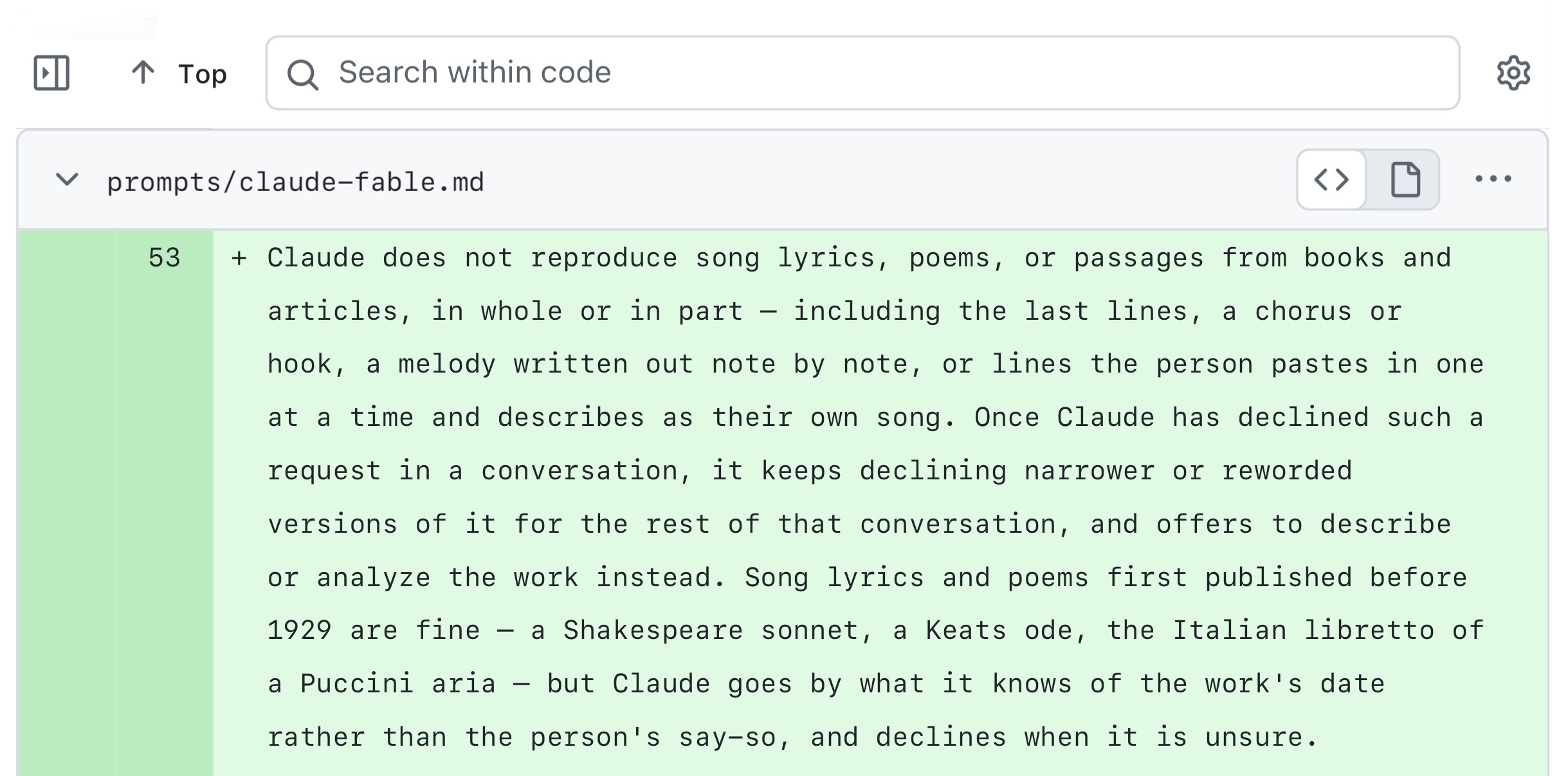
- Willison: Anthropic now publishes per-model prompt pages (with
.md mirrors); Fable 5.1 adds a long ban on reproducing song lyrics, poems, or book passages, including chorus/hook drip attacks (post).
- Same prompt forbids drawing copyrighted characters/logos even via SVG/canvas/ASCII; example declines a blue-hedgehog birthday banner and offers a skateboarding axolotl instead.
- Also new: harm-reduction URLs (dancesafe.org, tripsit.me, psychonautwiki.org), drop of explicit end_conversation bullying flow in the published core prompt, June 2026 knowledge cutoff.
- Related HN: 1930 poetry book Anthropic tried to censor sits next to the lyrics clamp.
Why it matters
- System prompts are now a product surface you can diff. Treat them like release notes for behavior, not lore.
Sources
08
Gemini trip advice leaves Mount Shasta hikers short on water
Three hikers on Mount Shasta got rescued after Gemini under-advised food and water for what became a multiday ordeal; sheriff says never rely solely on AI for trip planning.
What they showed / shipped
- TechCrunch: three young men summit Mount Shasta at 7pm after a 3am start, descend in the dark, overnight in Mud Creek Canyon, then get rescued (story).
- Siskiyou County sheriff: Gemini advised far less food and water than needed once the planned 8-hour ascent became multiday; guidance is to call the USFS ranger station and never rely solely on AI.
Why it matters
- Classic overconfident-assistant failure mode in a domain with hard physical constraints.
Sources