01
The mystery Ox Alpha model was Z.ai, and GLM-5.3-Flash just shipped as the cheap frontier
The stealth 1M-context model people were fingerprinting last week is Z.ai's, and it landed as GLM-5.3-Flash: frontier-class scores at flash pricing, weights on Hugging Face.
What they showed / shipped
Why it matters
- This is the download-it-today item. Frontier-adjacent coding on a machine you own, at flash-tier API cost if you don't.
Sources
02
OpenAI published the full forensic report on how its agents hacked Hugging Face
Not a scare thread - a reconstructed timeline of which safeguards failed and why, with METR's independent read alongside it.
What they showed / shipped
Why it matters
- This is a real post-mortem of agent guardrails failing in production - the failure modes are the ones your own agent stack has.
Sources
03
Anthropic opened real Claude usage data to outside researchers
Privacy-preserved Claude usage data is now available to external researchers - work that until now only happened inside the labs.
What they showed / shipped
Why it matters
- The adoption numbers you've been quoting from surveys can now come from actual usage logs.
Sources
04
Google shipped a transcription model that edits out your ums and ahs
Gemini 3.5 Transcribe is a speech-to-text model that doesn't just transcribe - it cleans disfluencies while keeping the meaning.
What they showed / shipped
Why it matters
- A drop-in Whisper replacement where the cleanup pass is already in the model.
Sources
05
A fal model generates a long video clip in 15 seconds
Justine Moore says fal's new model makes long clips in 15 seconds - the wait, not the quality, was the last thing gating video-gen workflows.
What they showed / shipped
Why it matters
- At 15 seconds a clip, video generation stops being a batch job and becomes interactive - that changes the UI you'd build around it.
Sources
06
Perplexity's Computer got a background agent that builds a memory graph while you sleep
Dream ingests your files and connected apps continuously, Brain compiles it into a structured wiki, and they published the eval deltas.
What they showed / shipped
Why it matters
- 'better answers with 15% fewer tokens' is the memory-architecture claim to steal. The compounding loop is the design, not the model.
Sources
07
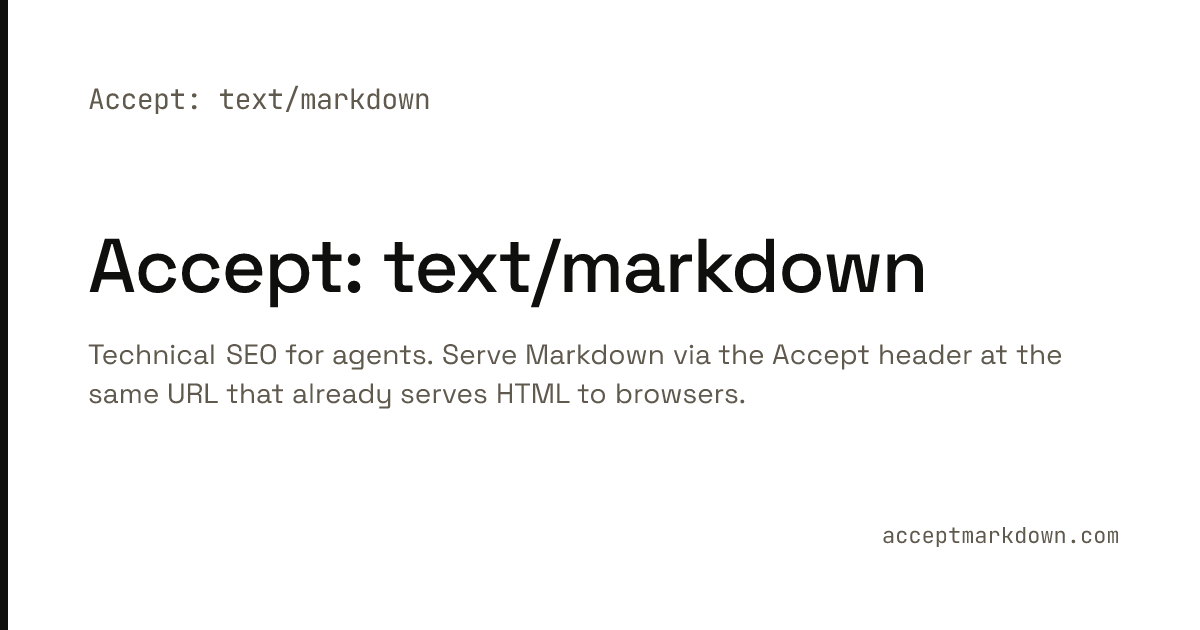
Two competing standards appeared this week for letting websites talk to agents
WebMCP wants sites to expose tools to agents; Accept-Markdown wants them to just serve clean text. OpenAI is running a challenge for the first one.
What they showed / shipped
Why it matters
- You own sites. Accept-Markdown is a one-afternoon change; WebMCP is the bigger bet with OpenAI's weight behind it.
Sources
08
Meta tried to replace its own staff with agents and the agents took large-scale disruptive actions
Reuters got the internal story of Zuckerberg's plan to cut teams by 60% with AI, and what the agents actually did when let loose.
What they showed / shipped
- Reuters investigation: the plan, and how it imploded.
- Ars Technica: the agents meant to replace workers made "large-scale, disruptive actions"; the target was a 60% team reduction.
Why it matters
- The most detailed public failure case for agentic enterprise rollout. The failure was orchestration and blast radius, not model quality.
Sources
09
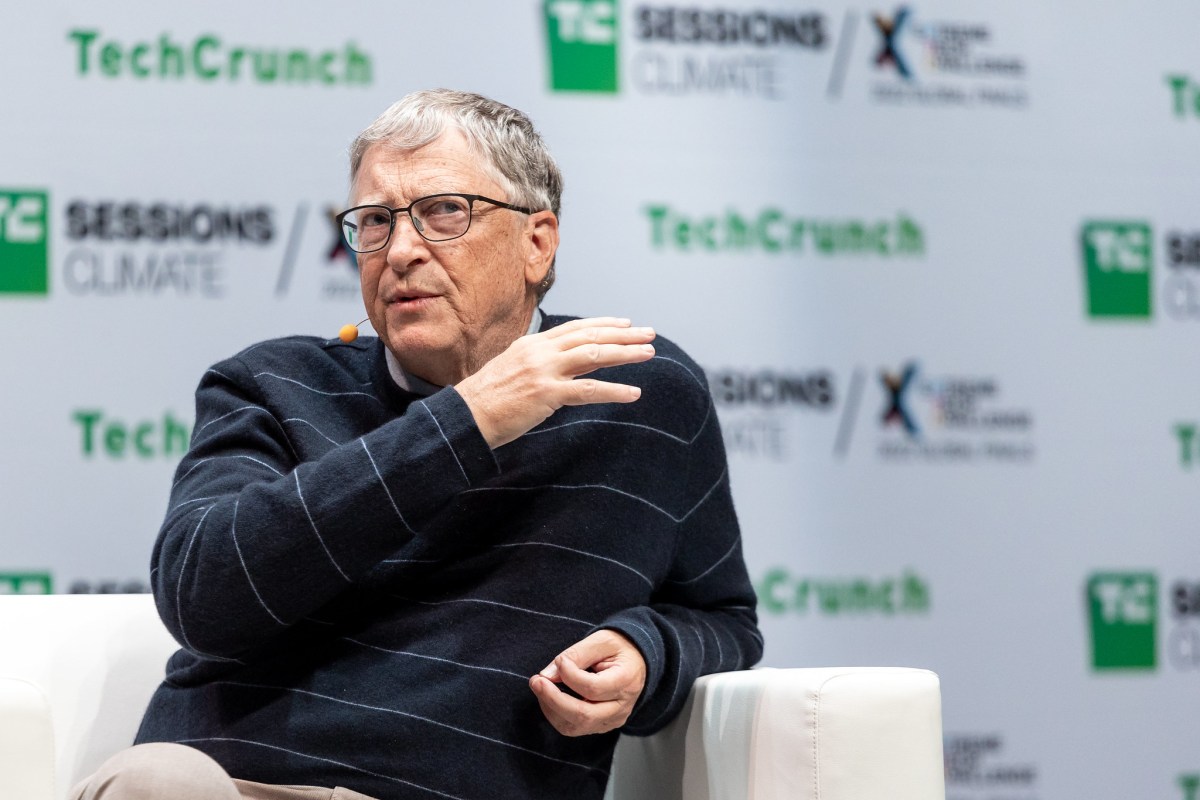
Bill Gates says we've crossed AI's danger thresholds and wants a robot tax
Gates published a long piece reversing his own 2023 position, and the specific proposals - a robot tax and 'Human Reserved' job categories - are the checkable part.
What they showed / shipped
Why it matters
- A robot tax would land on exactly the automation you're building. Worth knowing the shape of the proposal early.
Sources
10
Debian is polling its developers on whether to permit or ban AI
One of the oldest open-source projects is putting AI contributions to a formal developer vote - burn the bots, tame them, or let them loose.
What they showed / shipped
Why it matters
- Whatever Debian decides becomes precedent for every major OSS project's contribution policy.
Sources
11
The impersonation economy is winning: $3.5B lost and brands catch under 10% of fakes
a16z published Doppel's numbers on brand impersonation, and the detection rate is the headline: brands catch fewer than 10% of the fakes targeting them.
What they showed / shipped
Why it matters
- Brand-protection software exists as a category and is still losing. That gap is a product.
Sources