01
Devs felt 20% faster with AI. The stopwatch said 19% slower
A METR randomized trial clocked experienced devs using frontier AI: they felt ~20% faster, they were ~19% slower - a ~40-point gap between feeling and reality.
What they showed / shipped
- METR ran a randomized controlled trial: 16 experienced open-source devs, 246 real tasks, in codebases they already knew well, with current frontier tools (writeup).
- Self-report and stopwatch pointed opposite directions by nearly 40 points - devs estimated a 20% speedup, the timer measured a 19% slowdown.
- The reason: AI speeds up typing, which was never the expert's bottleneck. It adds prompting, waiting, and reviewing subtly-wrong output at the exact stage that was already expensive.
- The effect REVERSES for juniors and greenfield projects - context decides whether AI helps or hurts.
Why it matters
- If you're a senior in a codebase you know, measure your actual throughput before assuming the AI is winning - the feeling is not the metric.
Sources
02
OpenAI floats handing the US government a 5% stake
OpenAI is reportedly in early talks to give the US government roughly a 5% equity stake - AI quietly turning into national infrastructure.
What they showed / shipped
- Reports across FT, Guardian, Verge, Ars and TechCrunch say OpenAI proposed handing the US government ~5% of its equity, framed as a donation to a US sovereign wealth fund (TechCrunch, Verge).
- Ars notes the 5% figure lands FAR below what Senator Sanders had pushed for - so this is a floor being negotiated up, not a giveaway (FT summary).
- minchoi's read: 'AI is becoming national infrastructure' - which is the actual frame, not the percentage (tweet).
Why it matters
- When a lab starts trading equity for government goodwill, the rules of who gets frontier access get written in DC, not in a model card - watch the policy layer.
Sources
03
Nvidia stops selling GPUs, starts renting the factory
Nvidia is offering startups compute in exchange for revenue-share and credit instead of cash up front - shifting from selling chips to co-owning the AI factory.
What they showed / shipped
- Nvidia says AI is moving from one-time model training to always-on token production, and is partnering with AI clouds on multi-tenant 'AI factories' via revenue-sharing and credit-support (@nvidia).
- For startups that means access to large-scale compute without the giant upfront bill - you pay Nvidia a cut of what you earn instead (CNBC).
- Nvidia also leaned into a US-supply-chain message: partners/suppliers now span 43 states (@nvidia).
Why it matters
- If you're compute-constrained, a revenue-share on GPUs could be the difference between shipping and not - the capex wall just got a financing option.
Sources
04
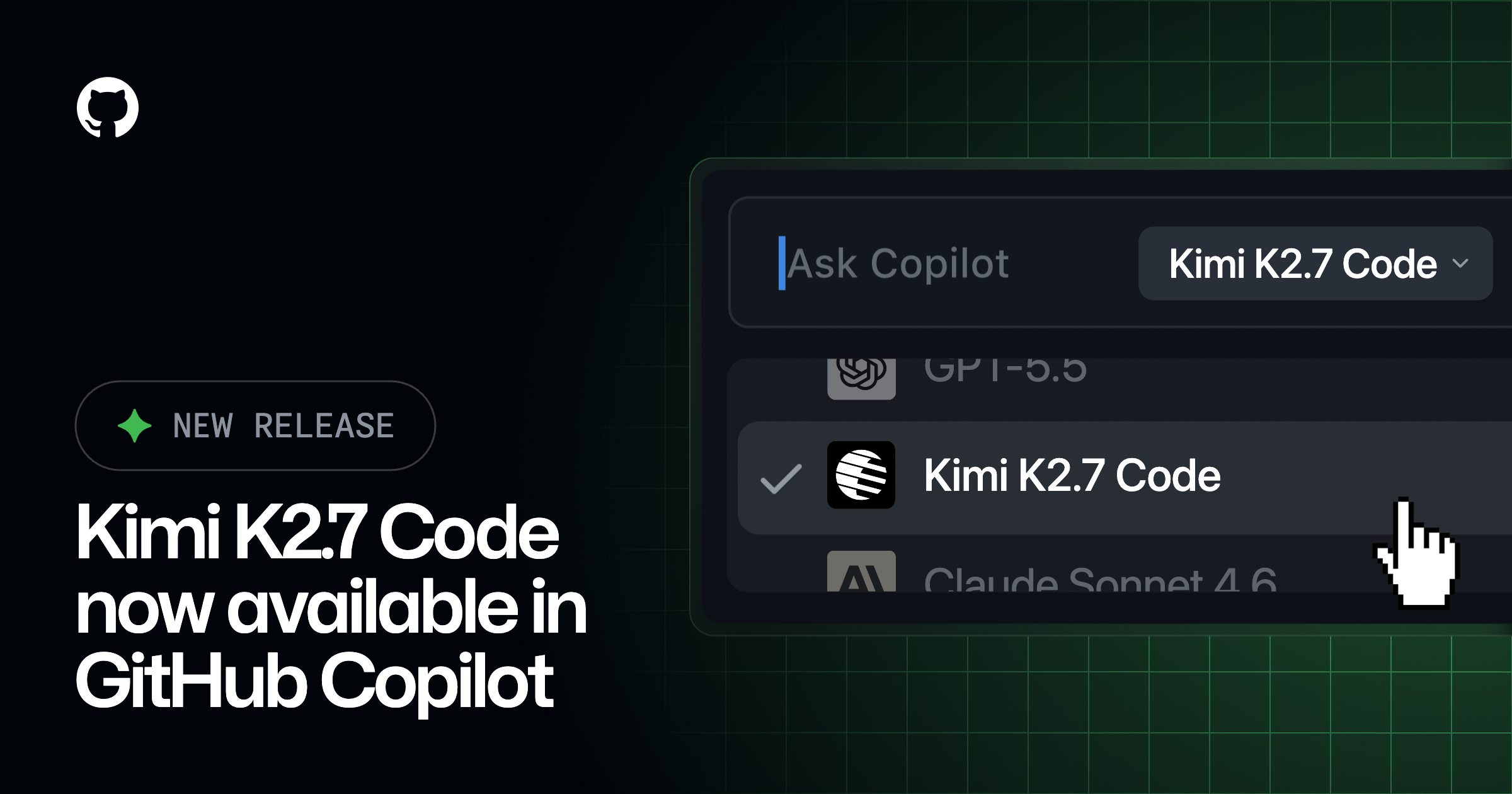
Kimi K2.7 lands in GitHub Copilot
Moonshot's open Kimi K2.7 Code is now generally available inside GitHub Copilot - a Chinese open model shipped straight into the default dev tool.
What they showed / shipped
- GitHub made Kimi K2.7 Code generally available in Copilot (changelog).
- It's the same portfolio move builders keep talking about: route everyday coding to cheaper open models, save frontier calls for hard problems.
- Ties directly to the cost story - Coinbase, Airbnb and Pinterest have already shifted engineers onto Chinese open models like GLM, Kimi and Qwen to cut AI spend (Peter Yang).
Why it matters
- You can pick Kimi K2.7 in Copilot today - a real, in-your-editor way to try an open frontier-ish coder without leaving your workflow.
Sources
05
Runway ships Agent Skills for ad campaigns
Runway added Skills to its Agent - type a slash command and it builds an ad campaign, a commercial, or localizes existing ads.
What they showed / shipped
- Runway introduced Agent Skills: type /, pick a Skill, and the Agent builds an ad campaign, creates a commercial, or localizes ads (@runwayml).
- It's the same slash-command 'skills' pattern showing up everywhere now - the interface for agent work is converging on / menus.
- Positioned squarely at marketers: 'scale your marketing, on command.'
Why it matters
- The slash-command-skill UX is becoming the standard agent interface - worth copying in your own tools.
Sources
06
Zuckerberg tells staff AI agents are slower than he hoped
Meta's own CEO told staff internally that AI-agent development hasn't progressed as fast as he expected - a rare cold-water take from inside a frontier lab.
What they showed / shipped
- Zuckerberg told Meta staff AI agents 'haven't progressed as quickly as he'd hoped' (Reuters via HN, TechCrunch).
- Lands the same week as the METR productivity study - two independent signals that the agent hype is running ahead of measured reality.
- Not a doom take: Meta is still spending heavily; it's a timeline reset, not a retreat.
Why it matters
- A useful calibration - if Meta's agents are behind schedule, your agent MVP struggling is normal, not a you-problem.
Sources
07
Anthropic is designing its own chip with Samsung
Anthropic is in talks with Samsung to build a custom AI chip - every frontier lab is now trying to escape its Nvidia dependence.
What they showed / shipped
- Per The Information, Anthropic is discussing a custom AI chip with Samsung; it hasn't decided what it's for or how powerful yet (TechCrunch).
- Anthropic says a diversified stack - Google, Amazon and Nvidia silicon - stays central; the custom chip complements, not replaces.
- Follows OpenAI's 'Jalapeño' inference chip with Broadcom - the whole frontier is racing to reduce Nvidia dependence.
Why it matters
- Custom silicon at the labs = cheaper inference downstream eventually - the cost curve you ride bends here.
Sources
08
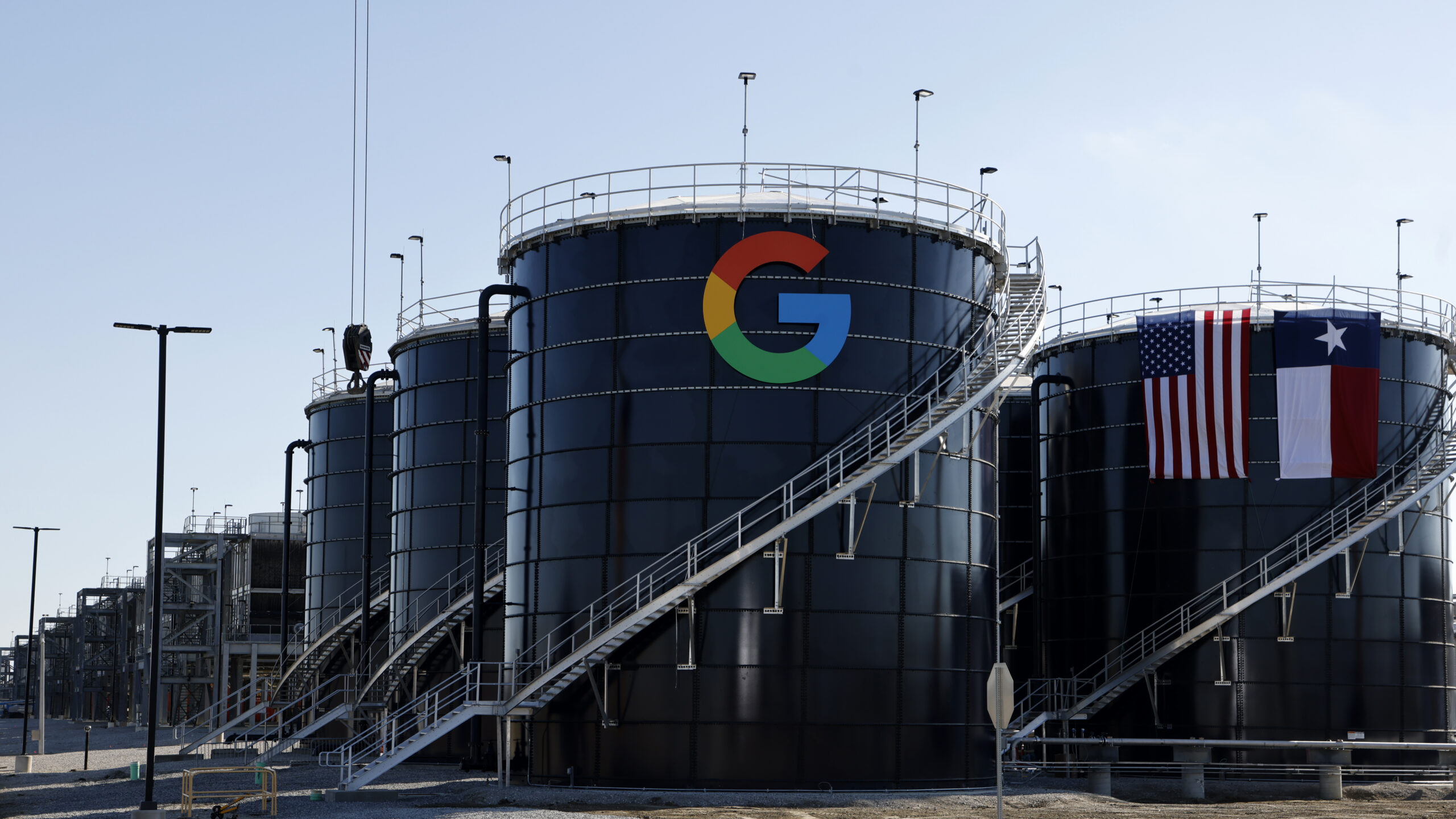
Google's AI buildout pushed its electricity use up 37%
Google's 2025 electricity use jumped 37%, driven by the AI buildout - the physical cost of the token boom, in one number.
What they showed / shipped
- Google's AI buildout drove a 37% increase in its electricity use in 2025 (Ars Technica).
- It's the tangible version of Nvidia's 'always-on token production' - every token has a wattage, and it's showing up on the utility bill.
- Pairs with the broader energy scramble: labs and governments racing to add power (solar, nuclear) to feed data centers.
Why it matters
- Energy is the real constraint under inference cost - the reason cheap open models and efficient chips matter so much.
Sources
09
Japan's top court: AI can't be a patent inventor
Japan's highest court ruled AI cannot be named as an inventor on patents - another jurisdiction drawing a human-only line around IP.
What they showed / shipped
- Japan's top court ruled AI cannot be listed as an inventor on patent applications (Yomiuri).
- It stacks onto the same week's other AI-boundary moves - Godot banning AI code, Cloudflare pushing AI firms to pay publishers.
- The through-line: institutions are formalizing where AI's authorship/ownership stops and a human's begins.
Why it matters
- If you invent WITH AI, the human still has to be the named inventor - matters for anyone patenting AI-assisted work.
Sources